Day 14-18: Osaka
Let’s start with the most important thing (not!): pronunciation of the city name Osaka.
In English ‘Osaka’ has three syllables, but in Japanese it has four timing units (morae): o-o-sa-ka. That’s why the first O is long — often written Ōsaka in Latin letters. In Japanese it’s written おおさか (o-o-sa-ka) in Hiragana, or 大阪 in Kanji. The first kanji character means “big” and is pronounced “oo”, the second “saka” means hill, so Ōsaka means “big hill”.
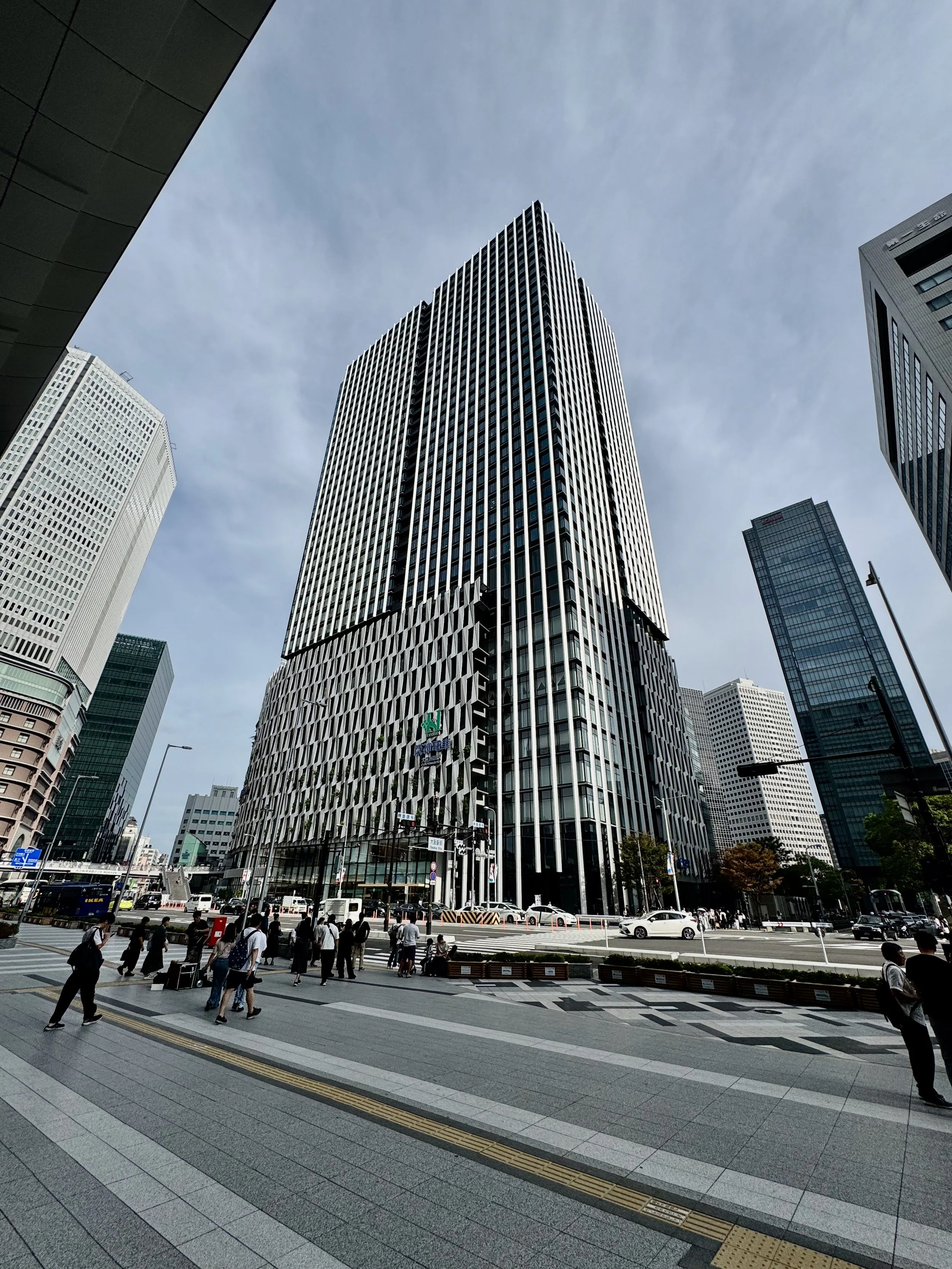
Now we finally know how to pronounce Ōsaka, we should mention that it is a mere 30 minutes (15 minutes if you take the Shinkansen) from Kyōto. The Ōsaka station is an example of a confusing Japanese train station with hundreds of directions, not all of them clear, and tens of thousands of people flowing through all of them. Navigating a train station in Japan can be a real challenge - sometimes you just don’t see any signs pointing to the metro line or the exit you look for and many extra kilometers of walking through a human anthill may very well be your fate.
Apartment
After succesfully exiting the Osaka Station maze, we took an old Toyota Crown cab to our apartment. Those old cabs are plentiful and charming - with names like “Super Deluxe” or “Royal Saloon” - and most taxi drivers keep those 30-year-old cars in impeccable shape, with snow-white covers over all seats. Also, they usually have a custom mechanism to make rear doors open automatically.
The apartment was small and, honestly, only moderately livable. One bedroom contained a double bed but there was absolutely no space for a suitcase, while the other bedroom also served as living room with a picnic table of sorts and two small couches instead of chairs on the sides. The bathroom was a standard issue Japanese shower+bath, with the shower affixed in horizontal direction (as always). The space also sported a drying fan fixture in the ceiling - that works perfectly - when you wash your clothes, you hang them on a special drying rod and press a button which starts blowing hot air from the ceiling. You can also select the number of hours that process should continue while you sleep and you will find your clothes super dry in the morning.
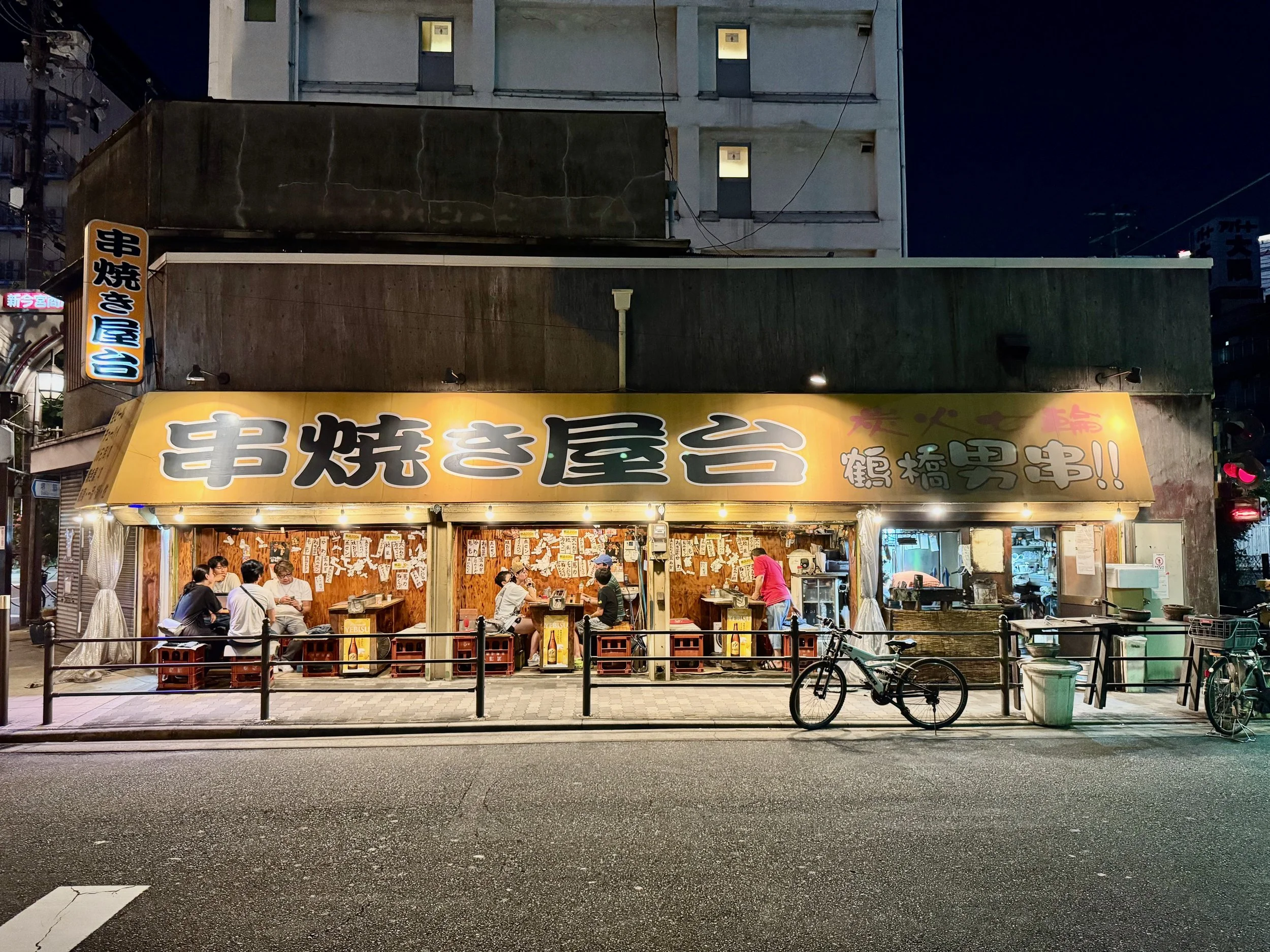
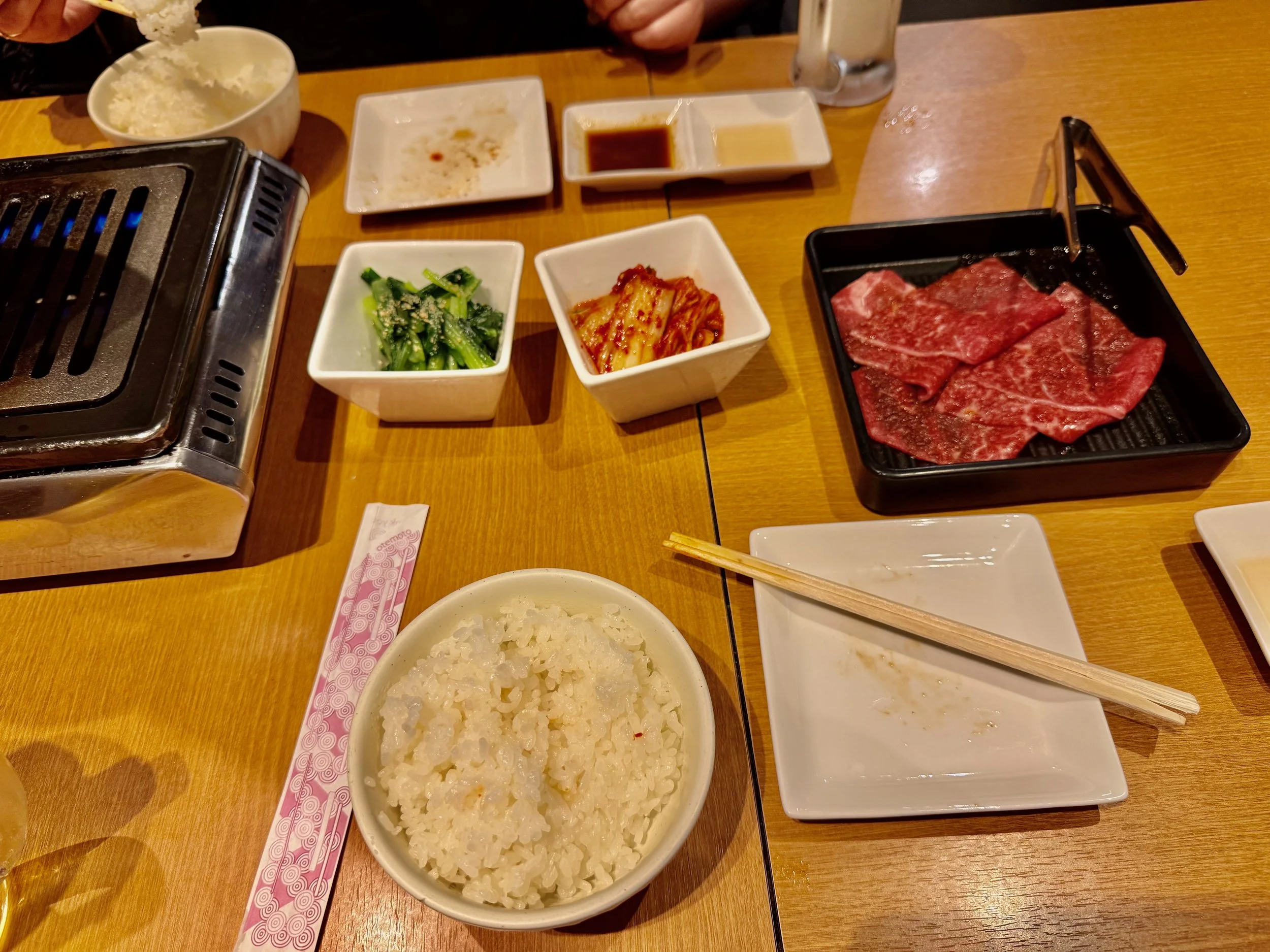
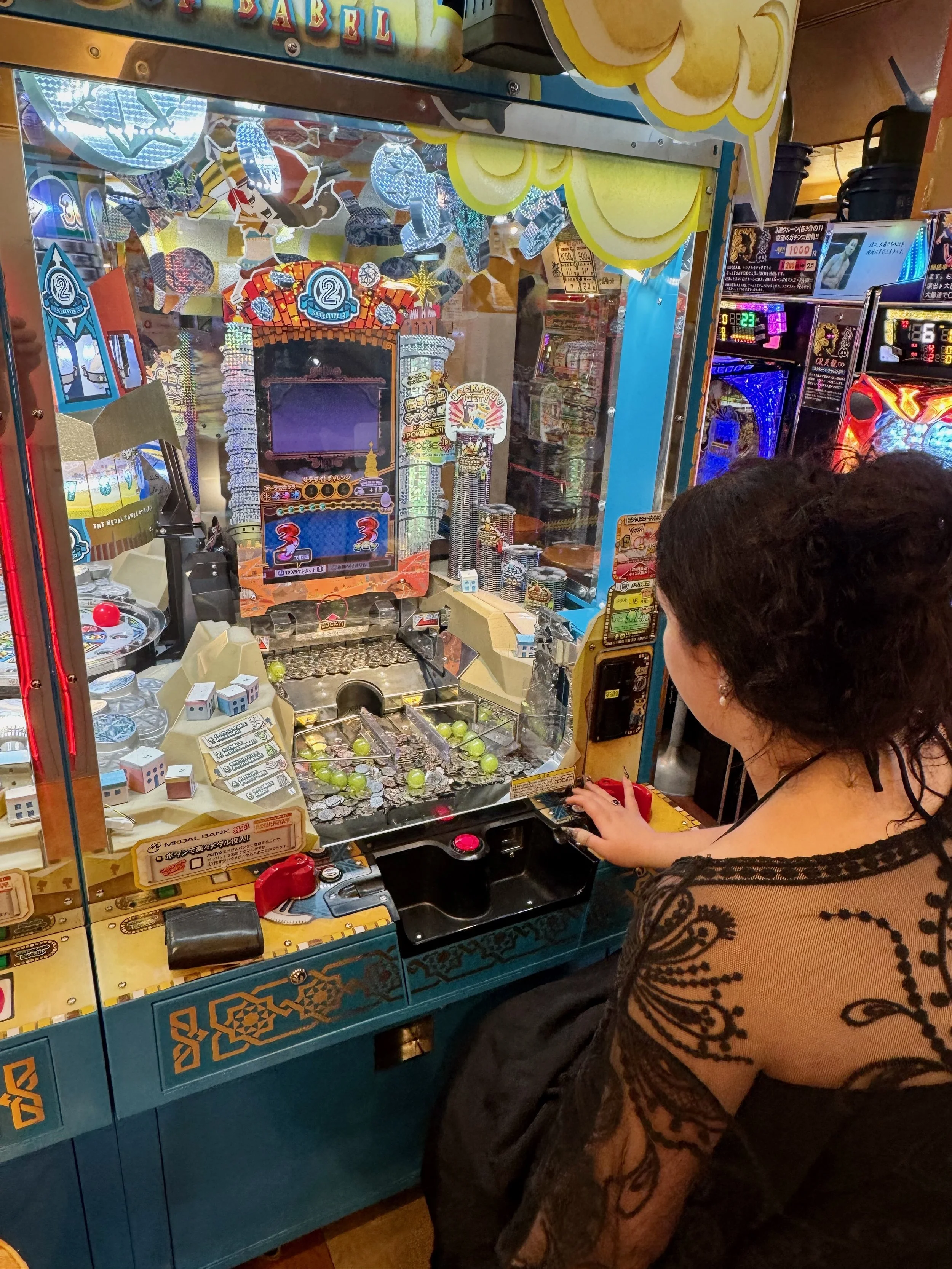
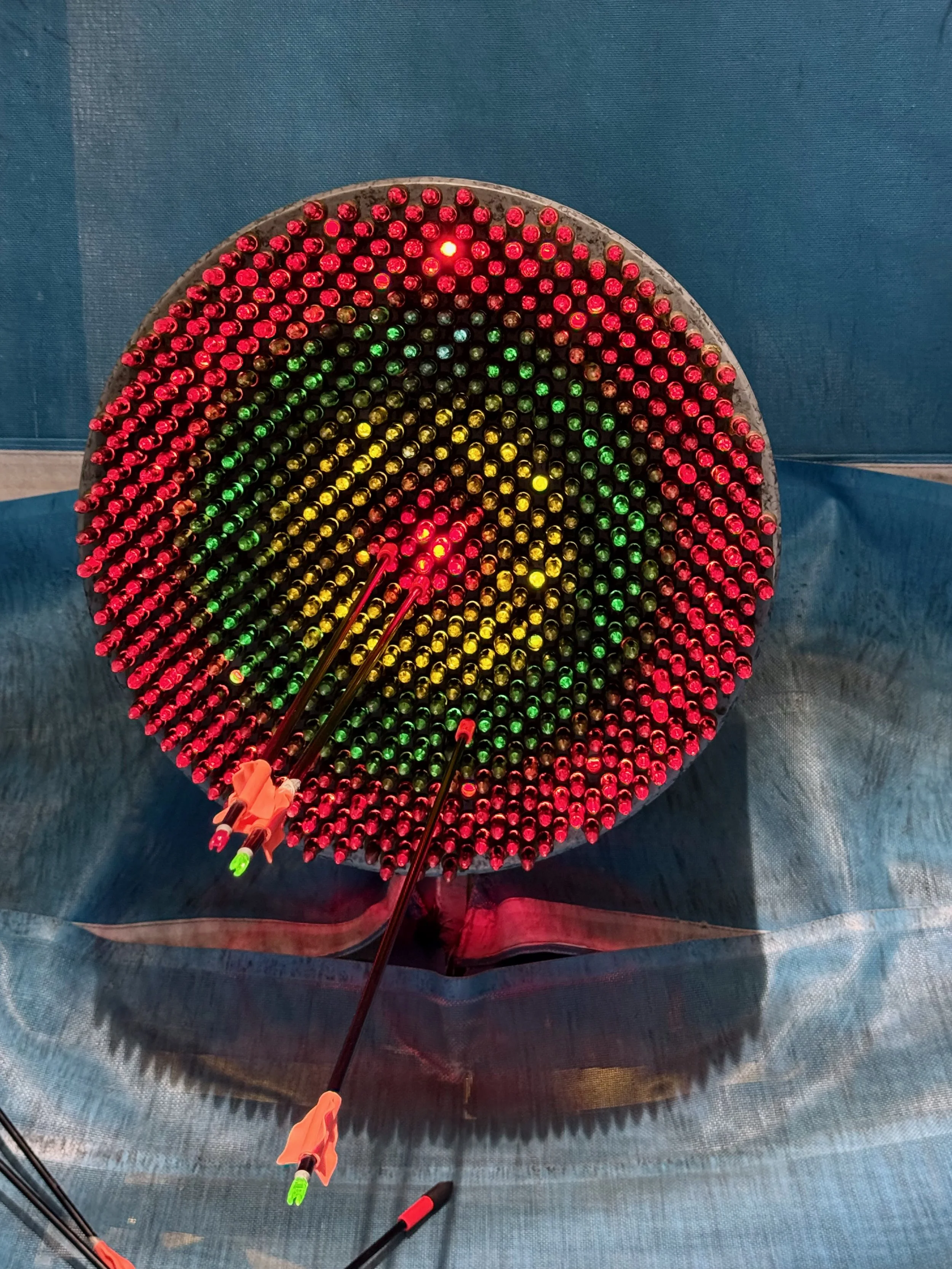
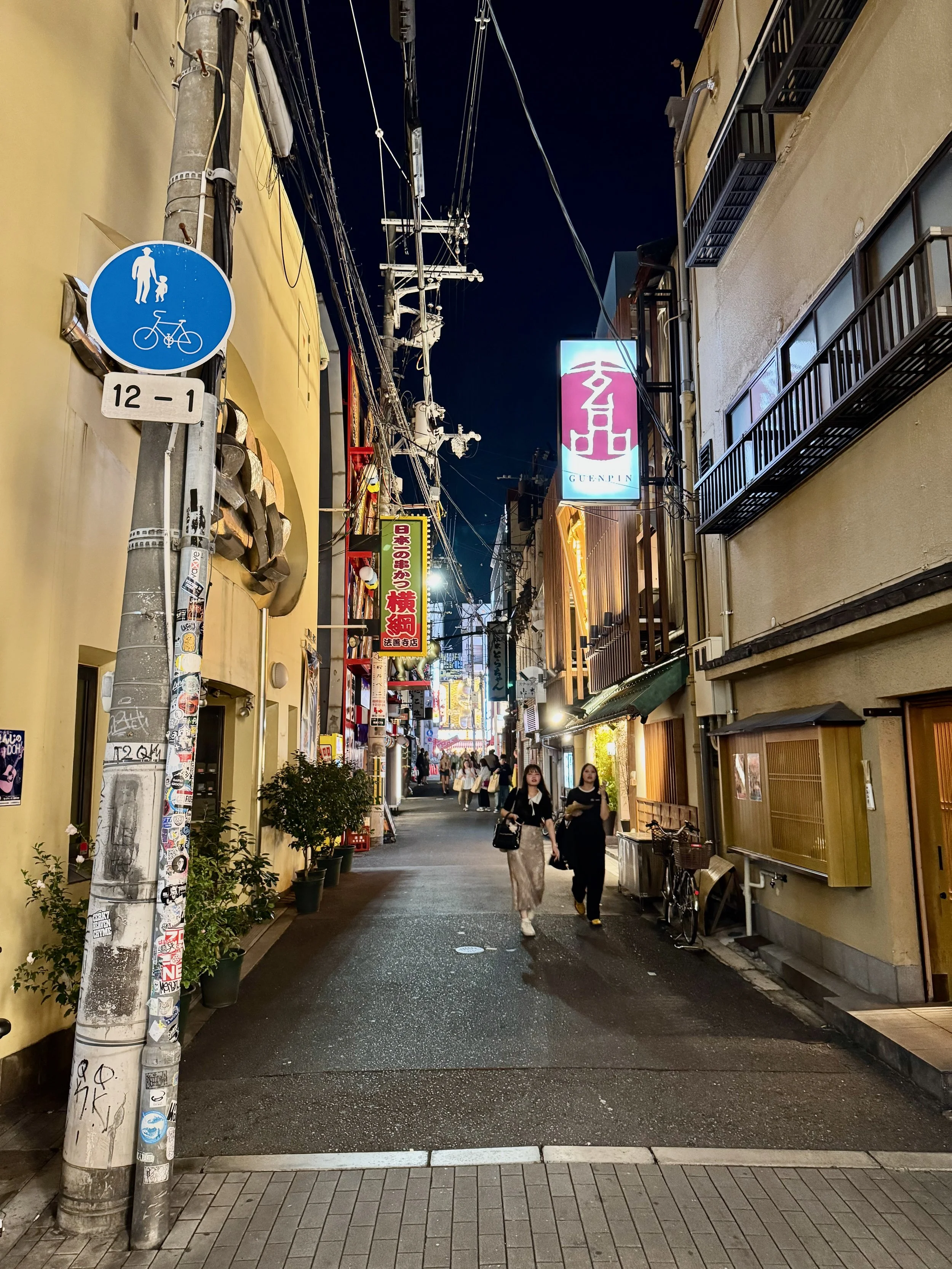
The major plus of the apartment was that it was situated 2 minutes walk from a nice neighborhood full of restaurants, shops and arcade parlors called Shinsekai. We walked around, tried to shoot a gun and a bow, and had dinner in a yakiniku (grill restaurant). The beautifully lit Tsutenkaku tower was already closed so we put it on our to do list for later.
Osaka Expo 2025
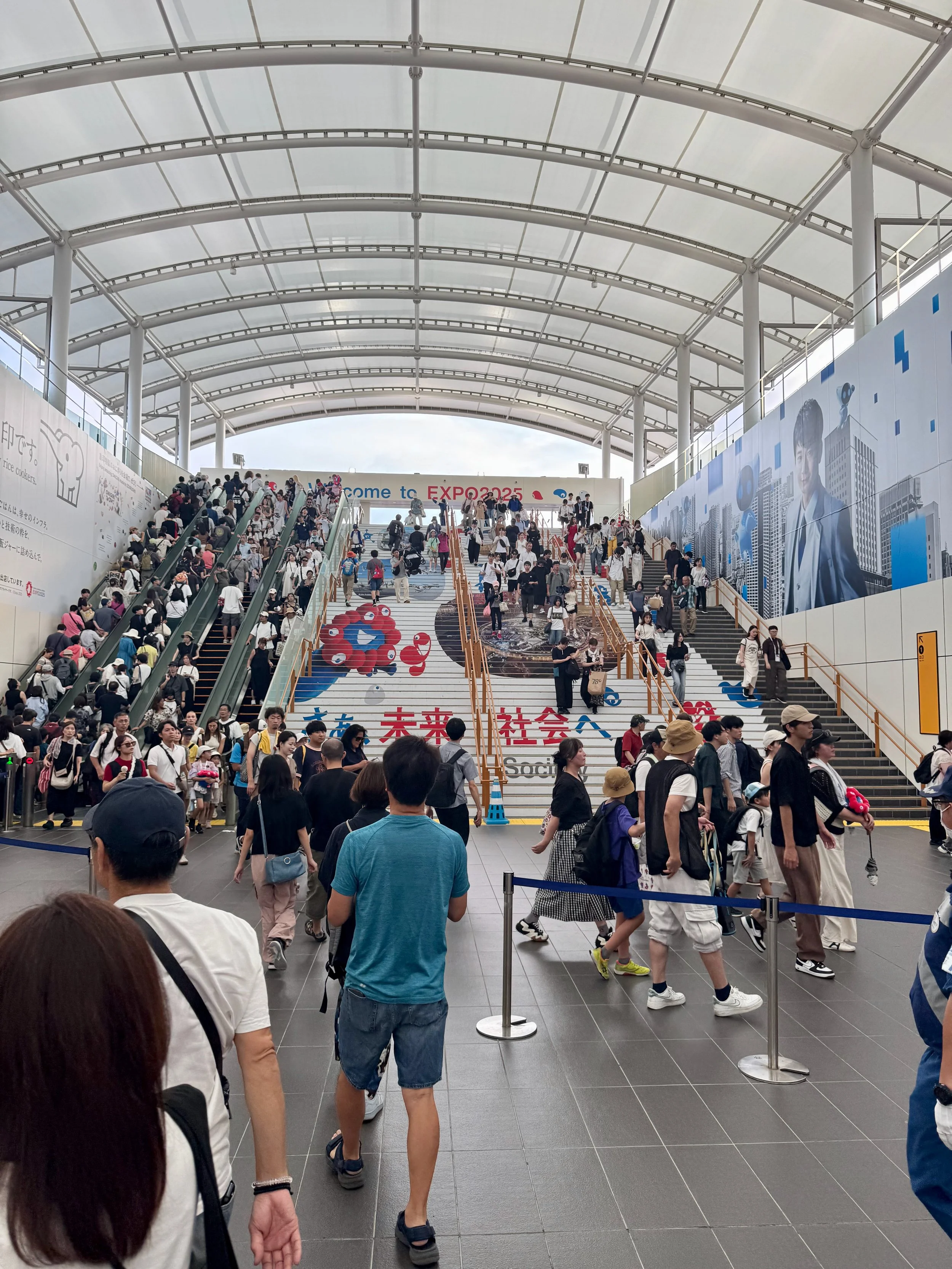
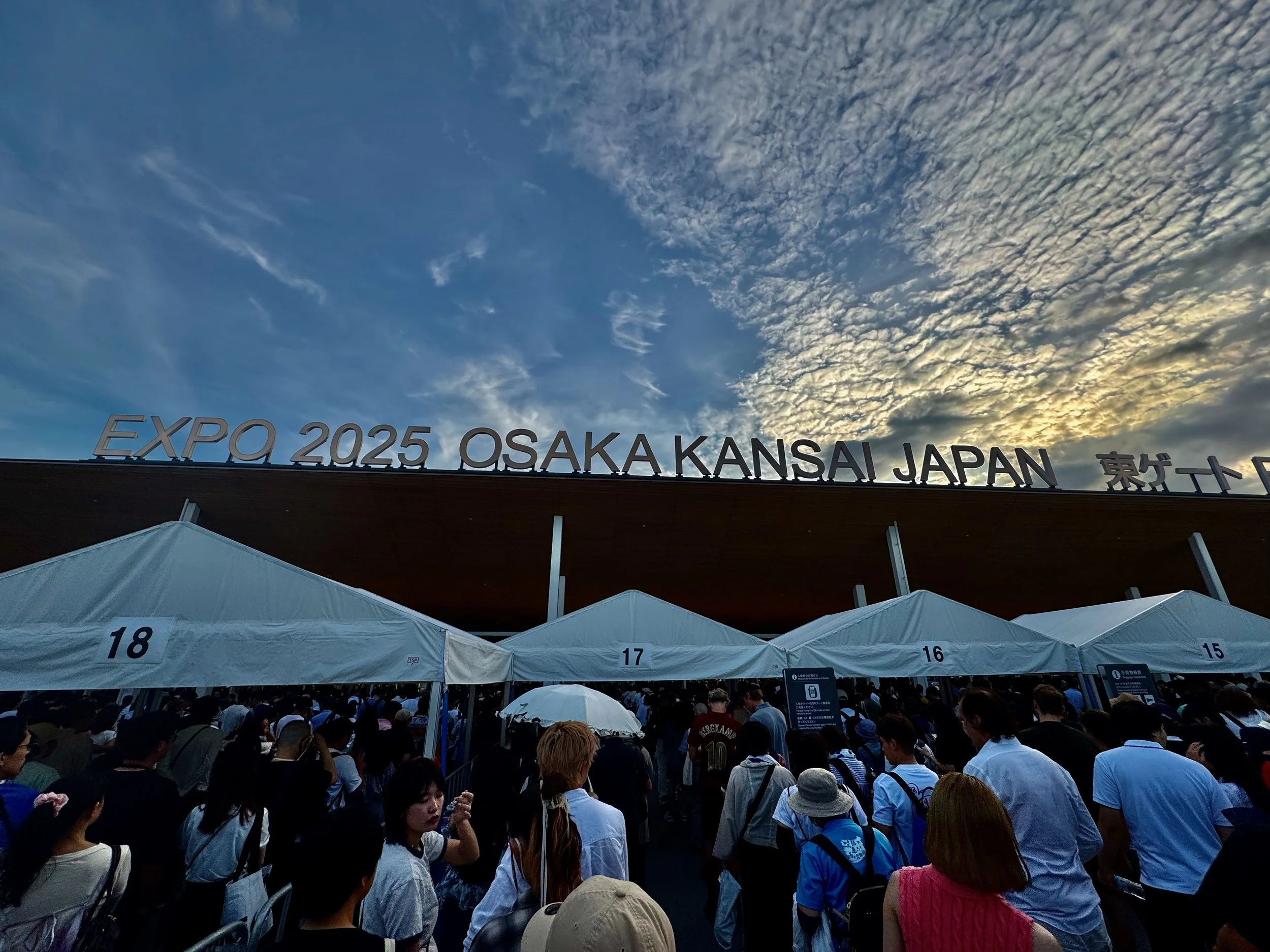
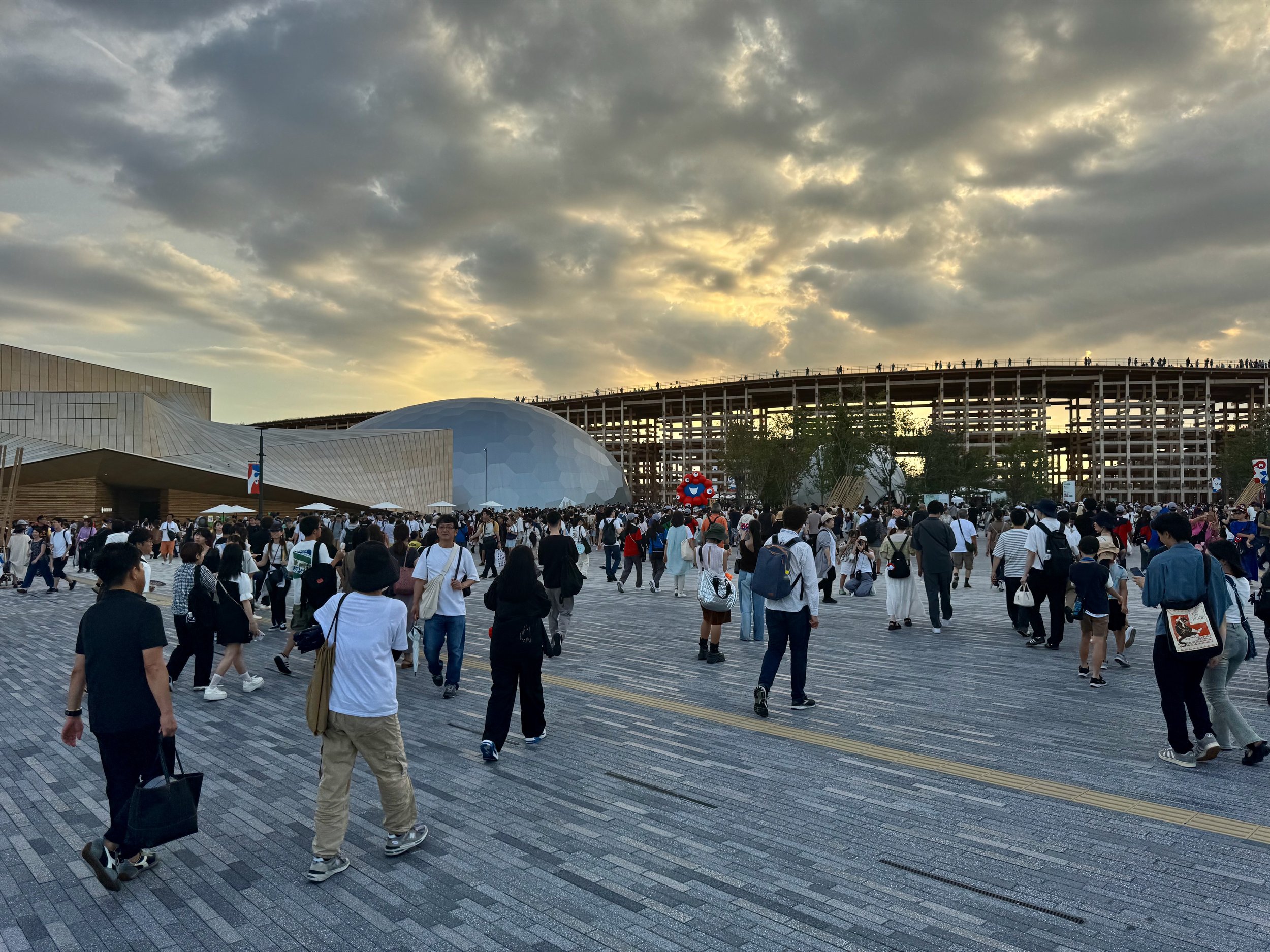
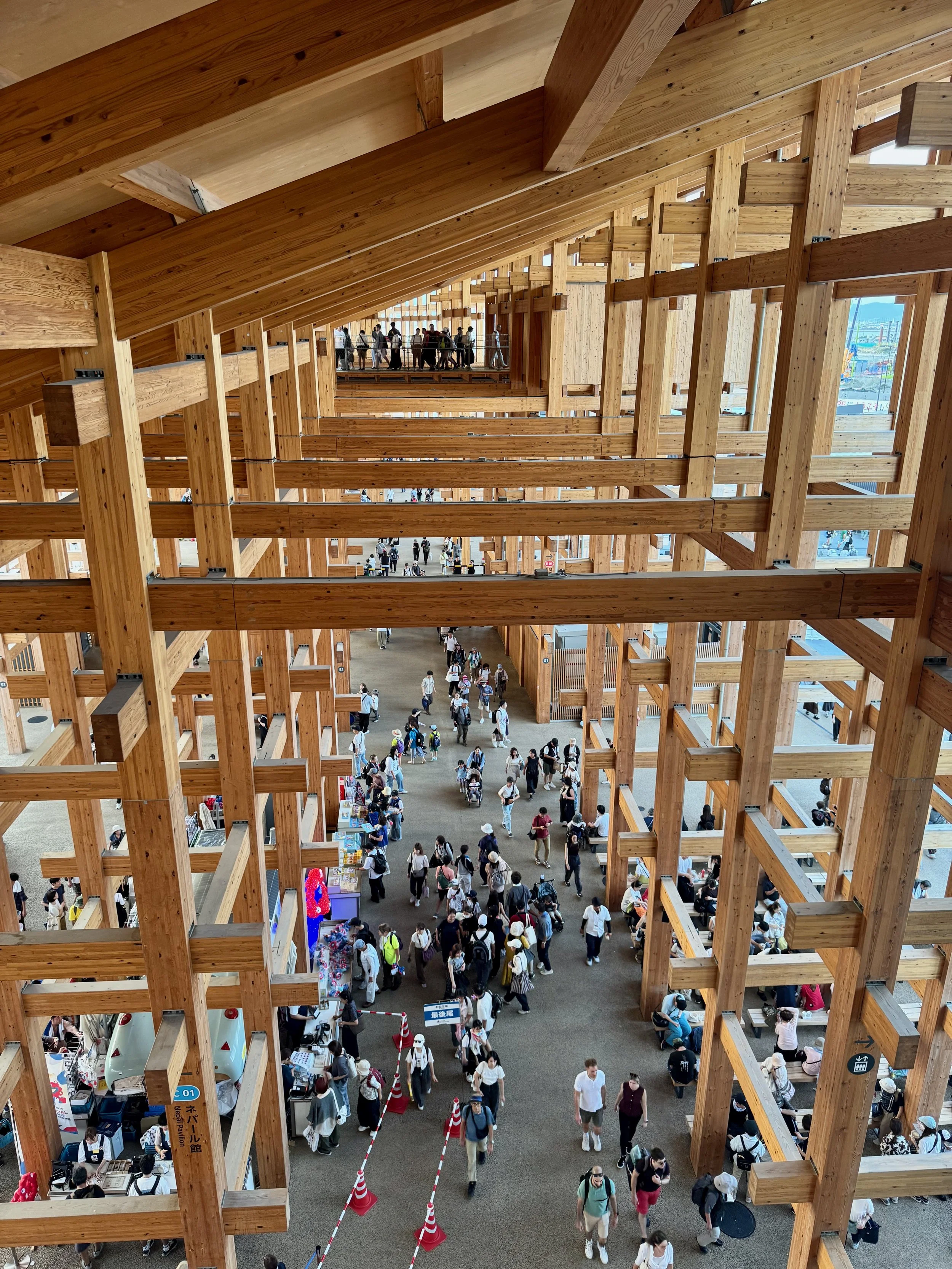
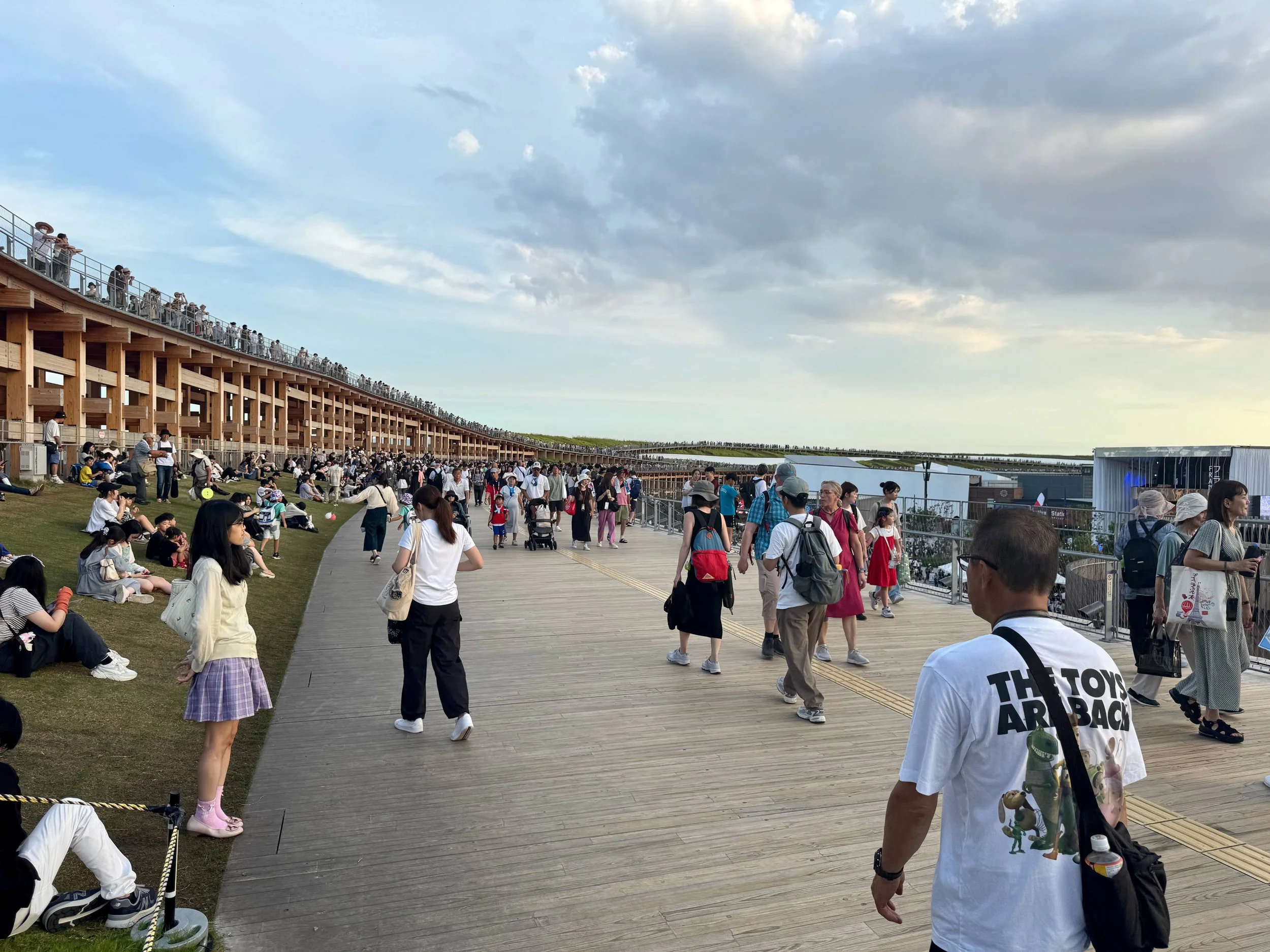
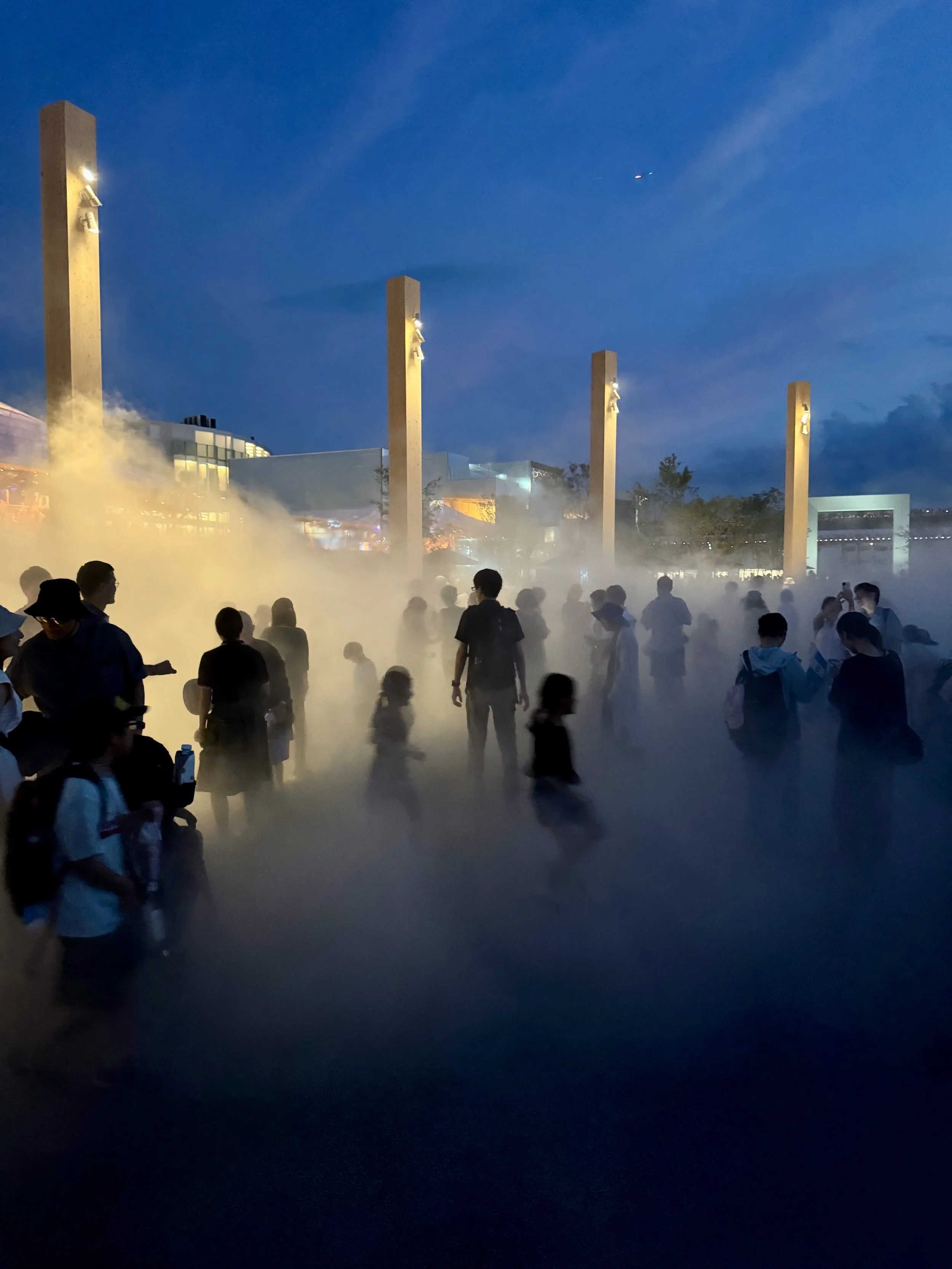
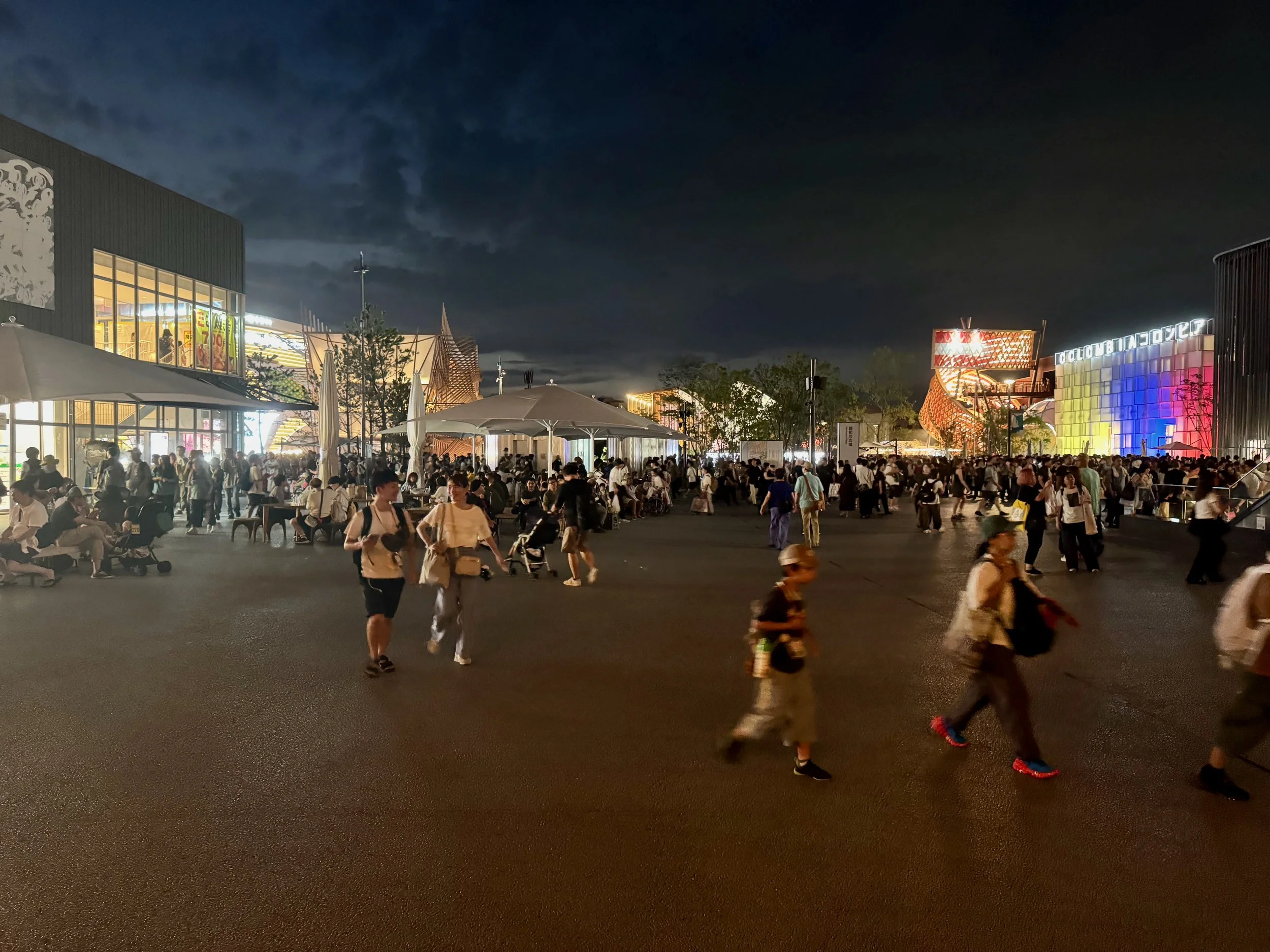
The Expo grounds are situated on an island and the first and constant impression is the immense, overwhelming, absurd amount of people. Getting through the entrance gates (one of 30 of them) was not too bad but after that, it was a sea of people everywhere you looked. And entering a pavilion meant having a reservation (which we did not have) and waiting in a long queue.
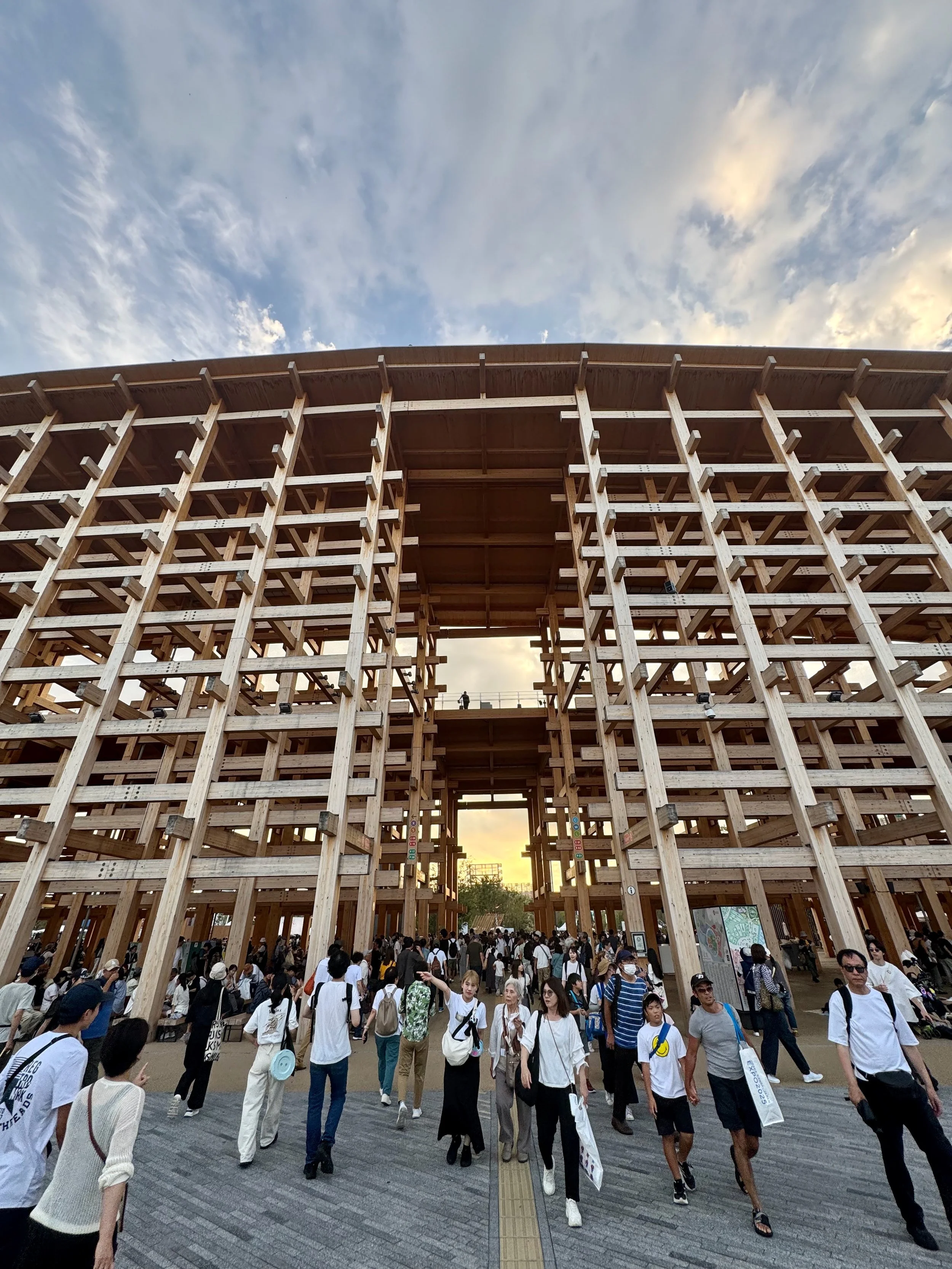
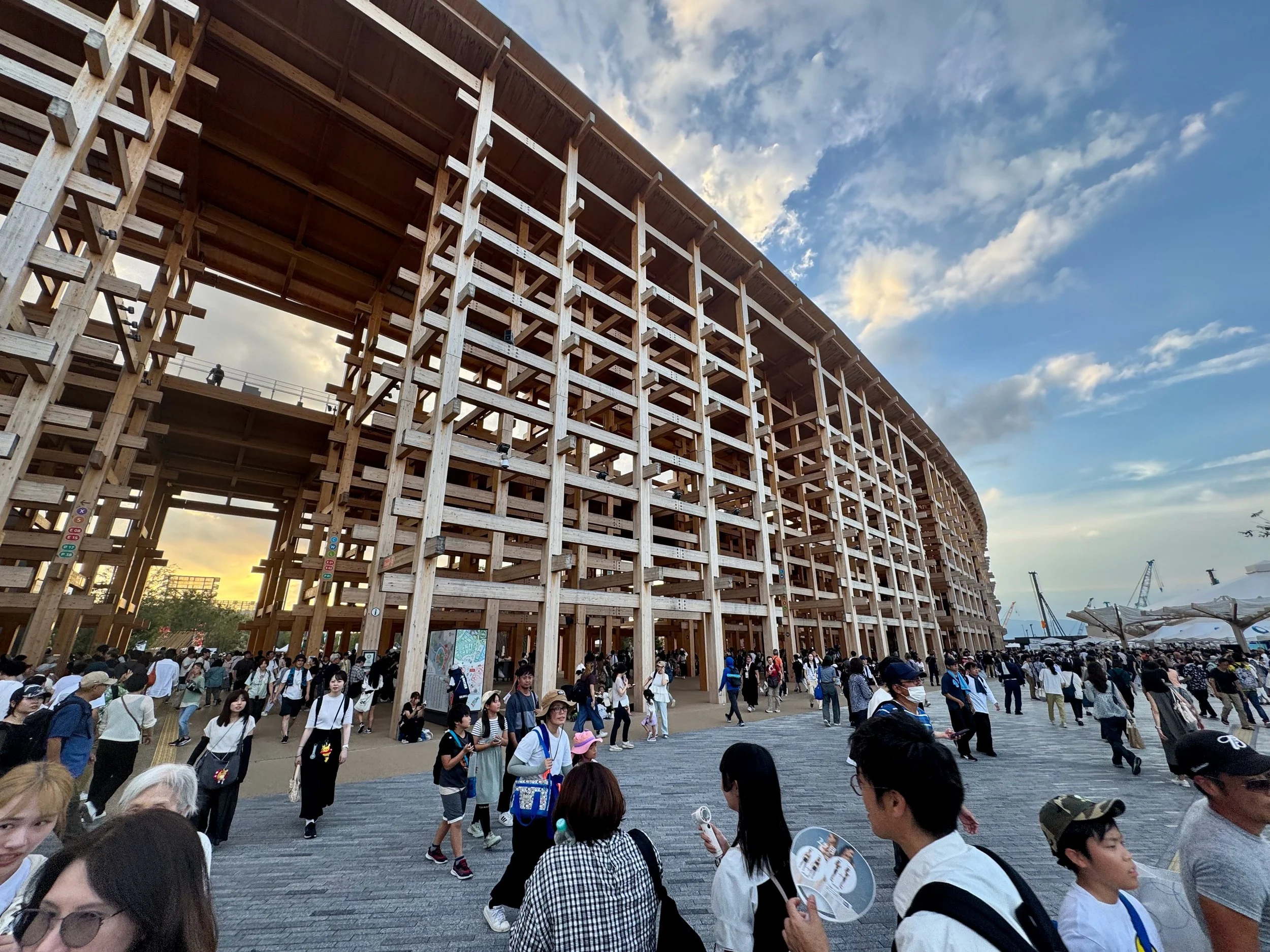
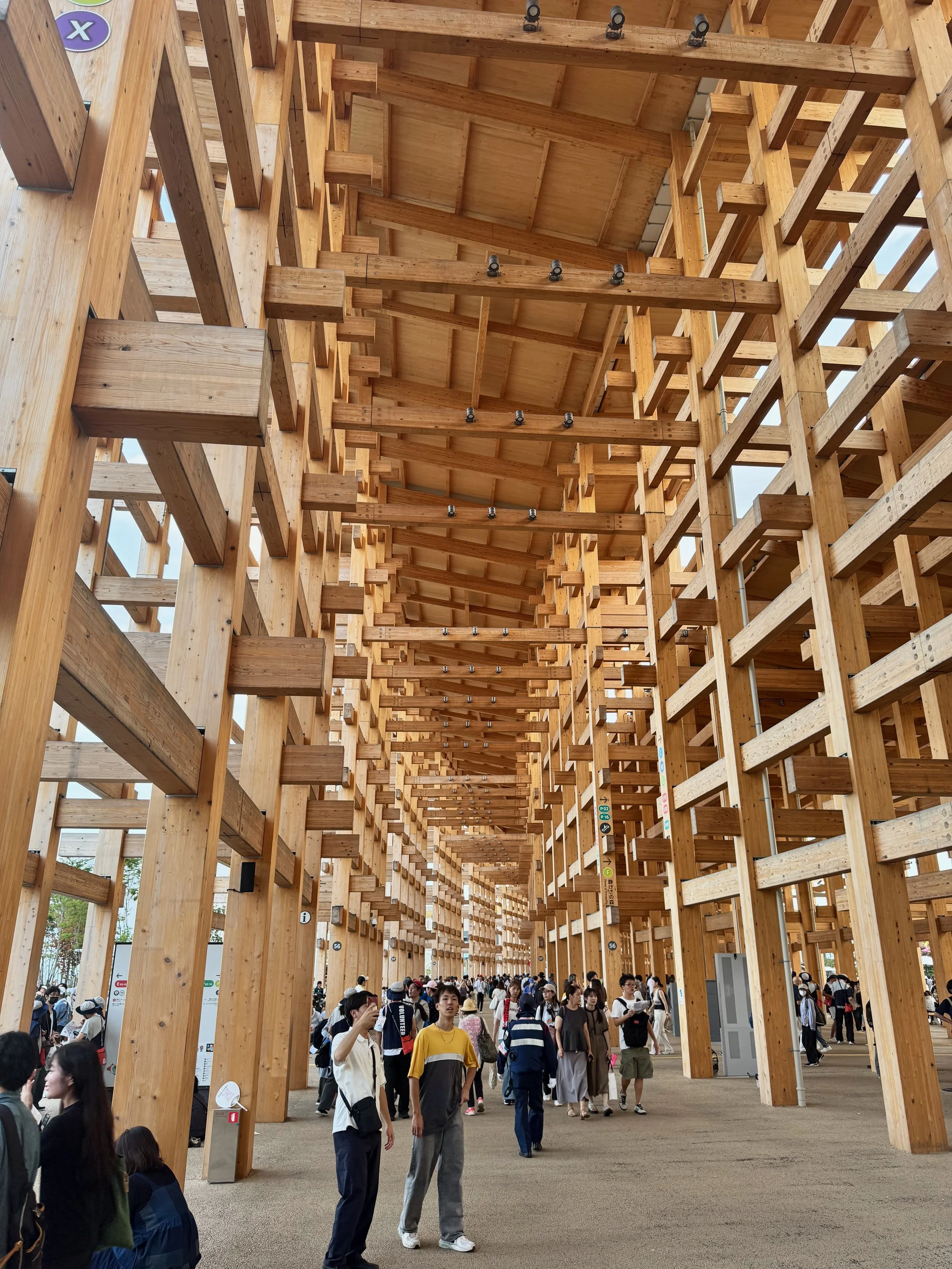
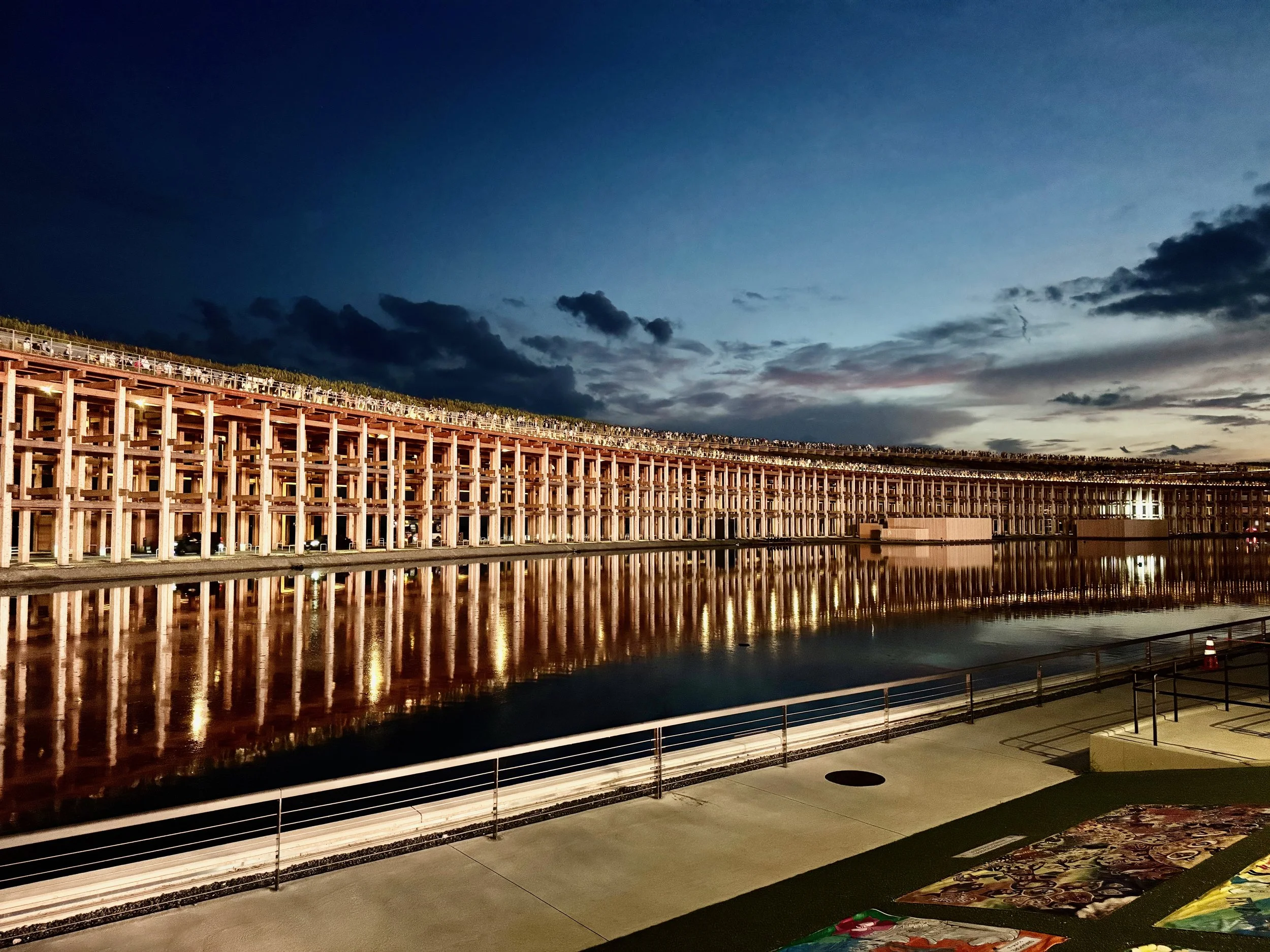
The only really accessible thing was the Grand Ring created by Sou Fujimoto (a smaller version of which we had seen in the Mori Art museum in Tokyo earlier). Needless to say, that is a breathtaking building defining the Expo space in a very unique way.
The exit queuing was much worse than the entrance. From the exit gates to the metro it took about 45 minutes slowly moving inside a human stream. In general, I personally don’t react to queues and masses of people too well, but apparently it is such an accepted fact of life in Japan that people seem quite happy waiting for hours (just like in the Ghibli park). An acquired taste, for sure!
Tsutenkaku tower
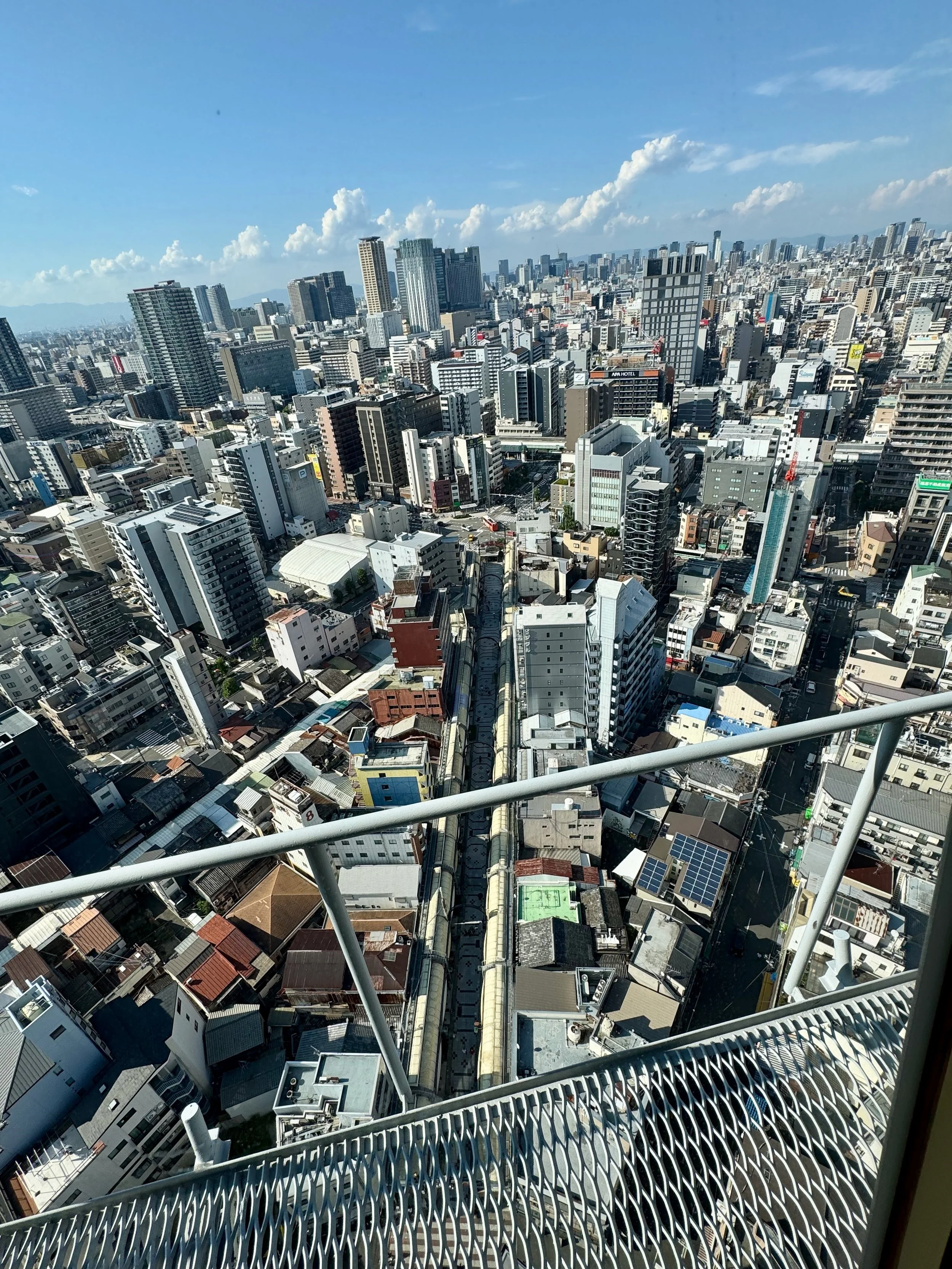
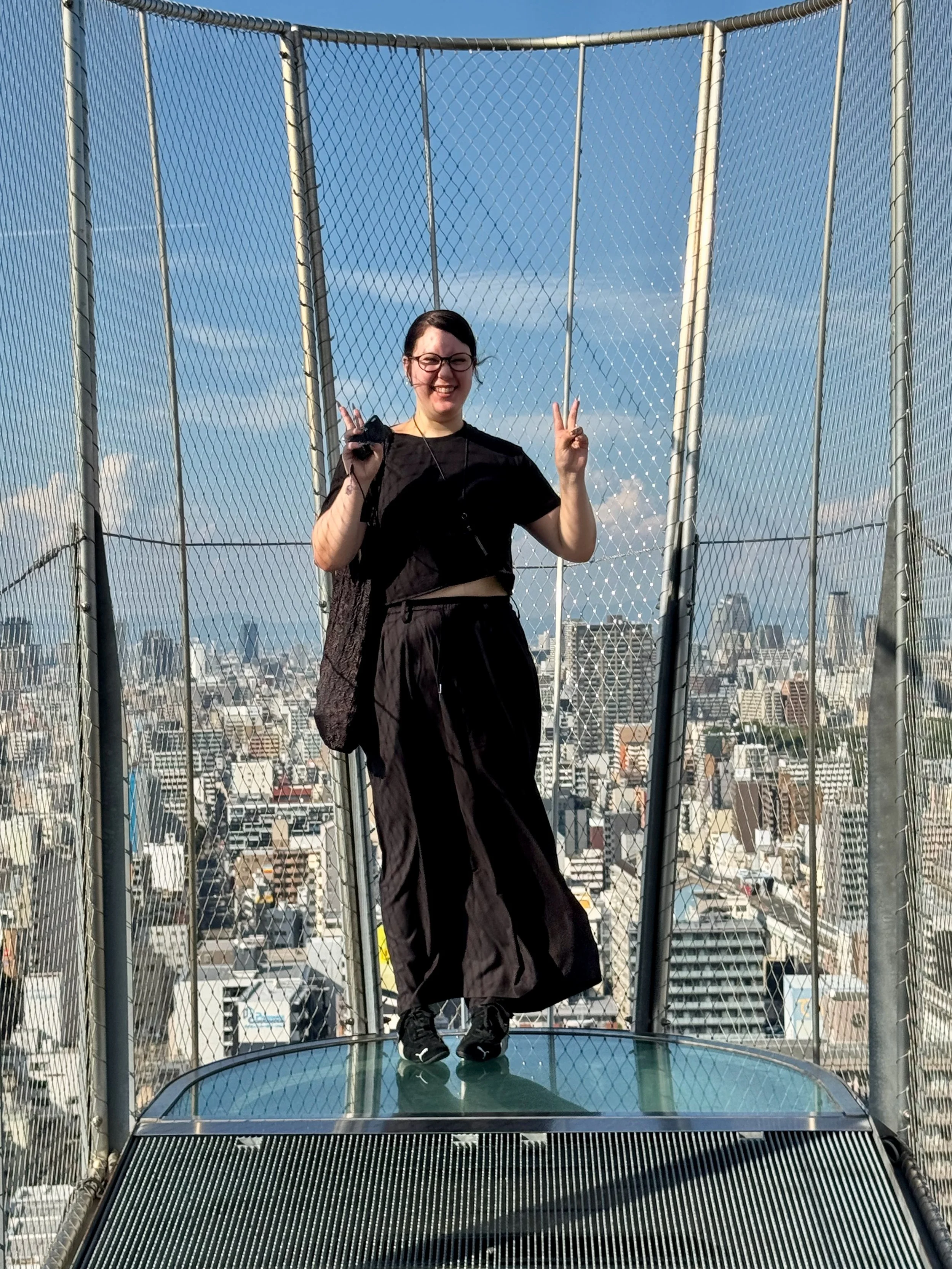
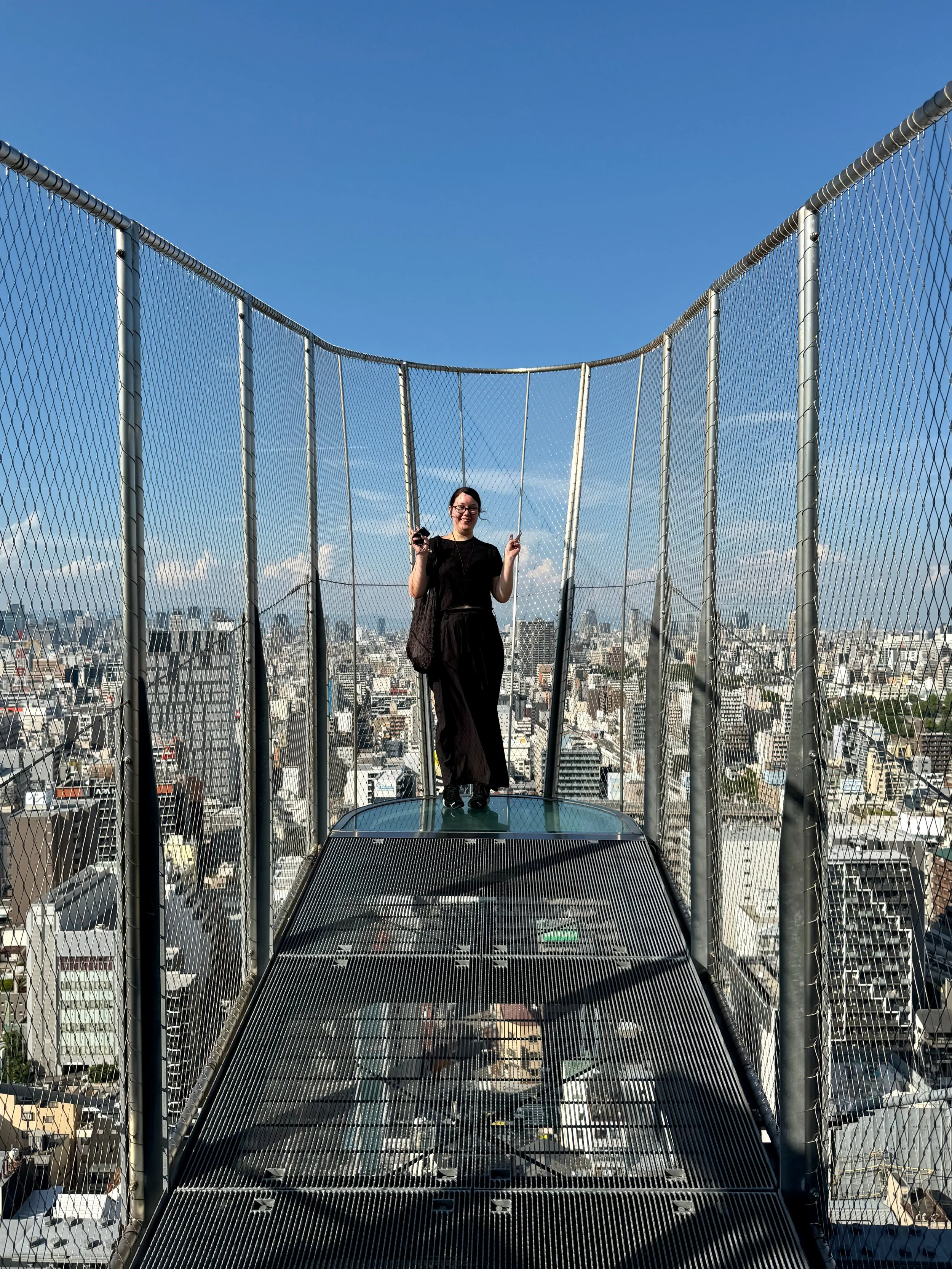
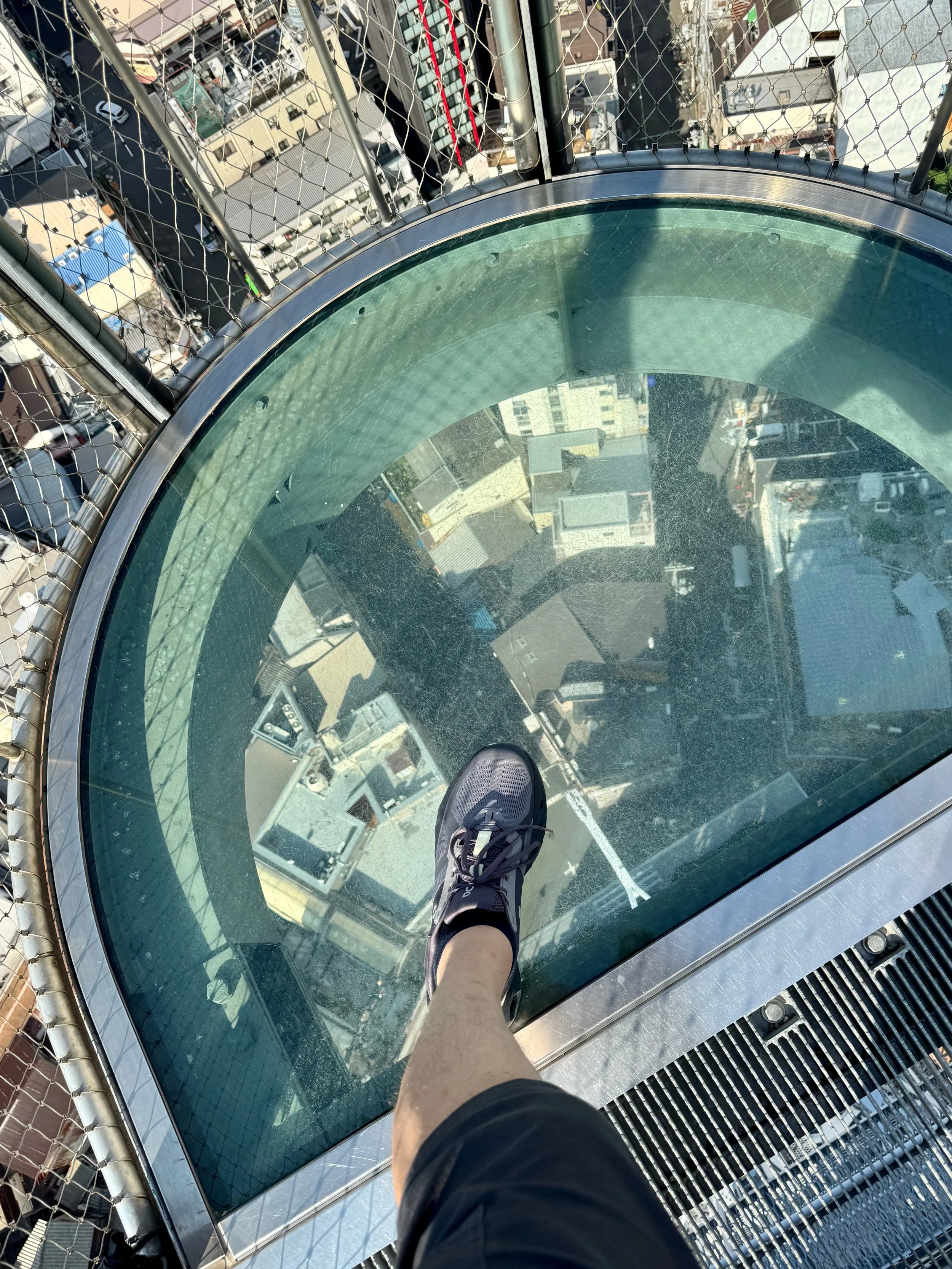
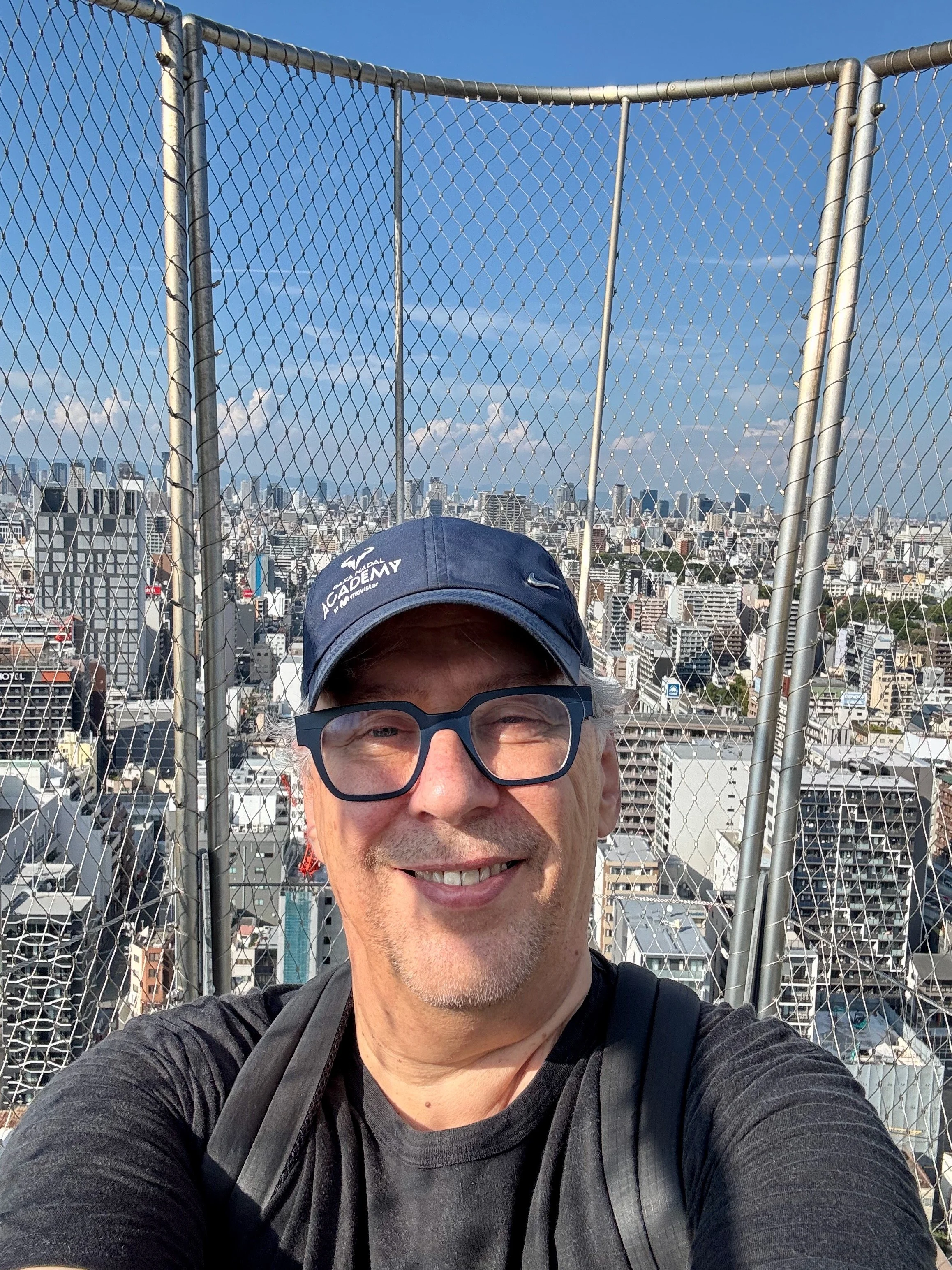
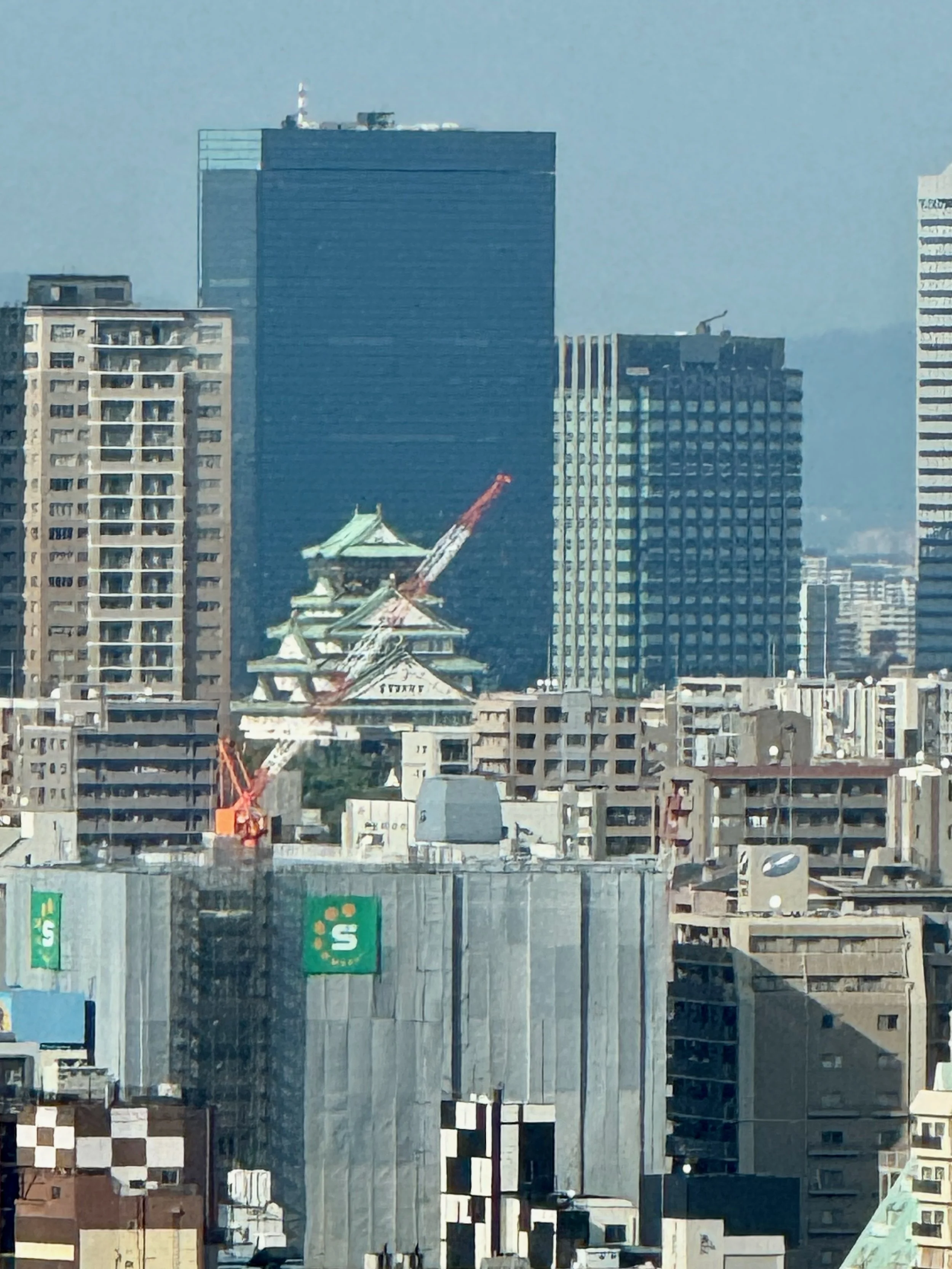
Mounting the tower was absolutely worth it! If you want, you can also buy tickets for a slider - which we didn’t, and went straight for the top floor. The Osaka views are spectacular! This tower is around 100 meters high and was originally built in 1912 and modelled after the Eiffel Tower. After being dismantled during World War II, the current tower was reconstructed in 1956 and has since become a symbol of the city's vibrant culture.
Round1 Arcade and Sports
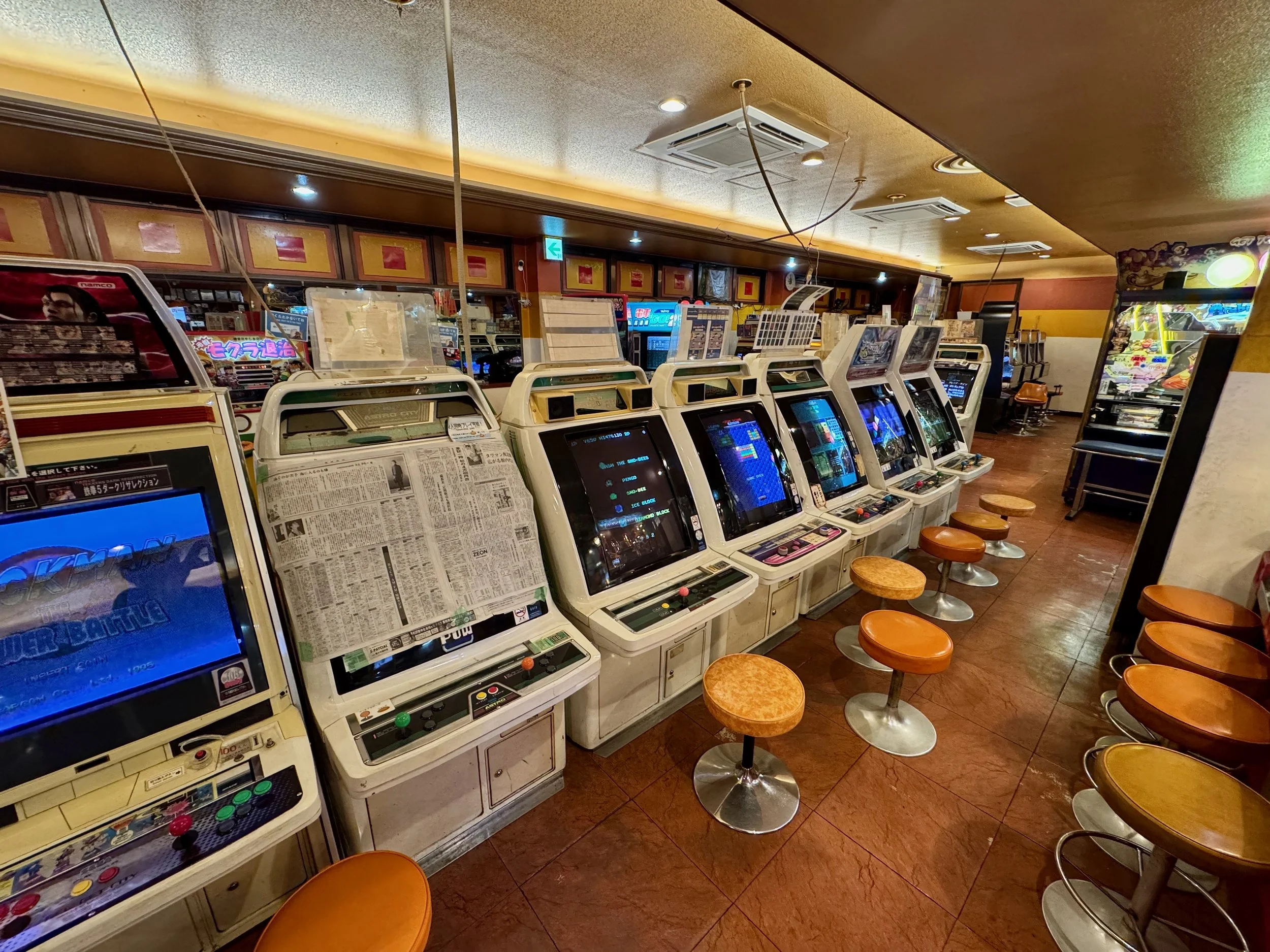
Round1 Stadium is a massive entertainment complex open 24 hours per day, offering bowling, extensive sports activities (Spo-cha), arcade games, karaoke, and even go-karts all under one roof. Extremely popular with tourists, groups, and families for its variety and value. We played some arcade games, then bought a ticket for the sports department - there, you just need to pay an entrance fee, and you can partake in all the sports. We did some archery, baseball hitting cage, pool, table tennis and jeu de boules (which had a computer measuring distances and determining the winner, which was cool). It’s a well organised and fun way to spend some free time!
Himeji
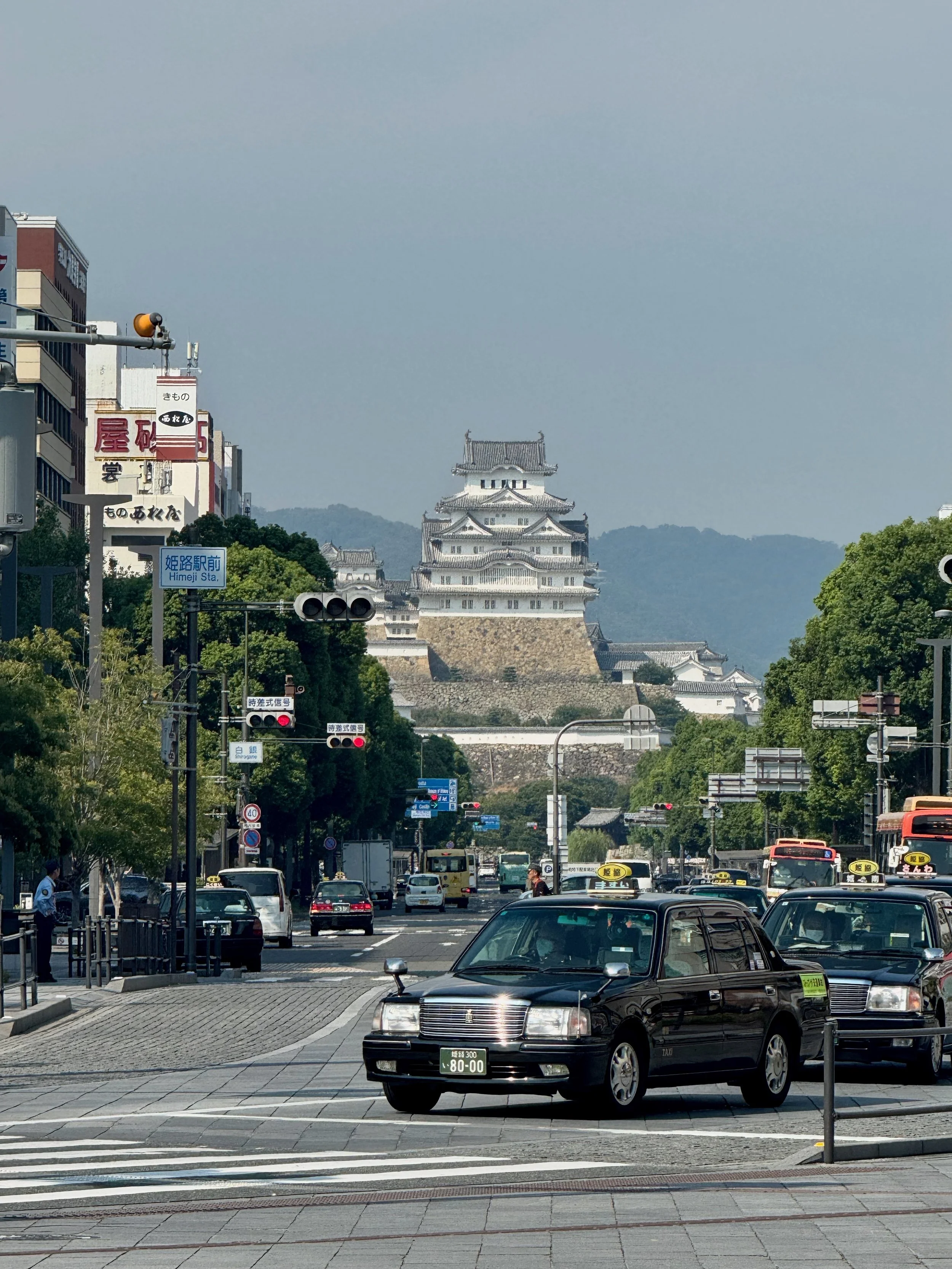
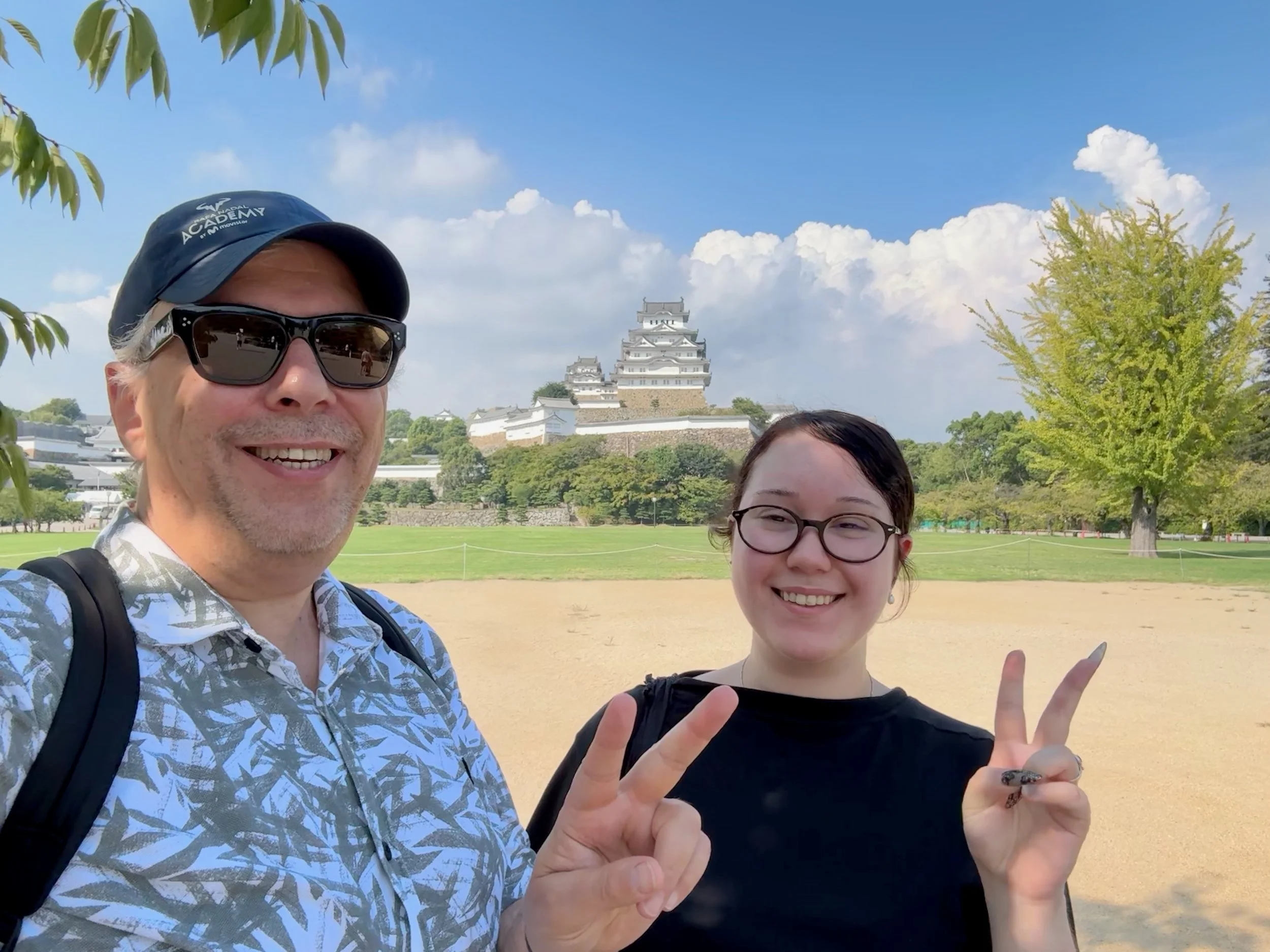
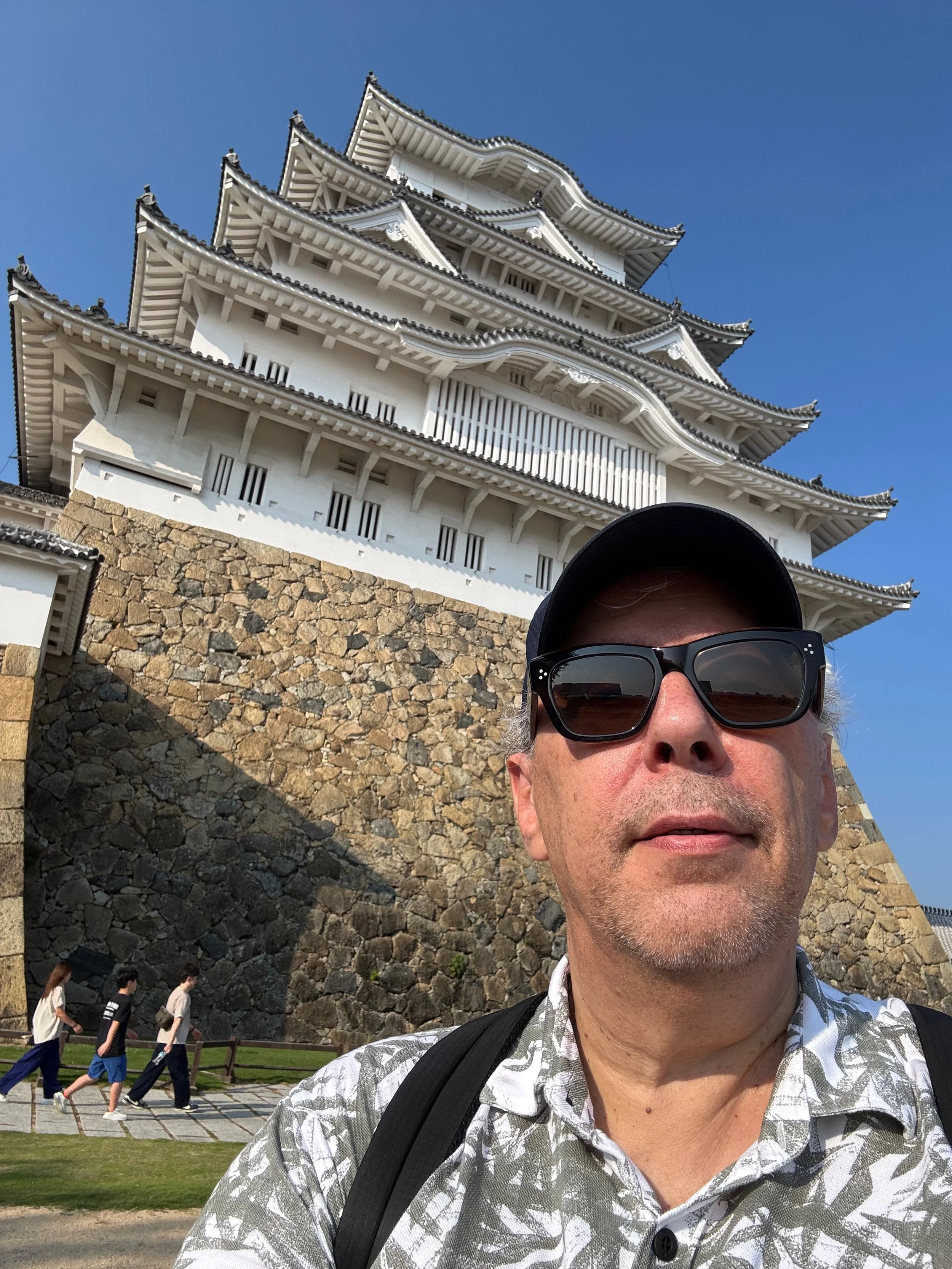
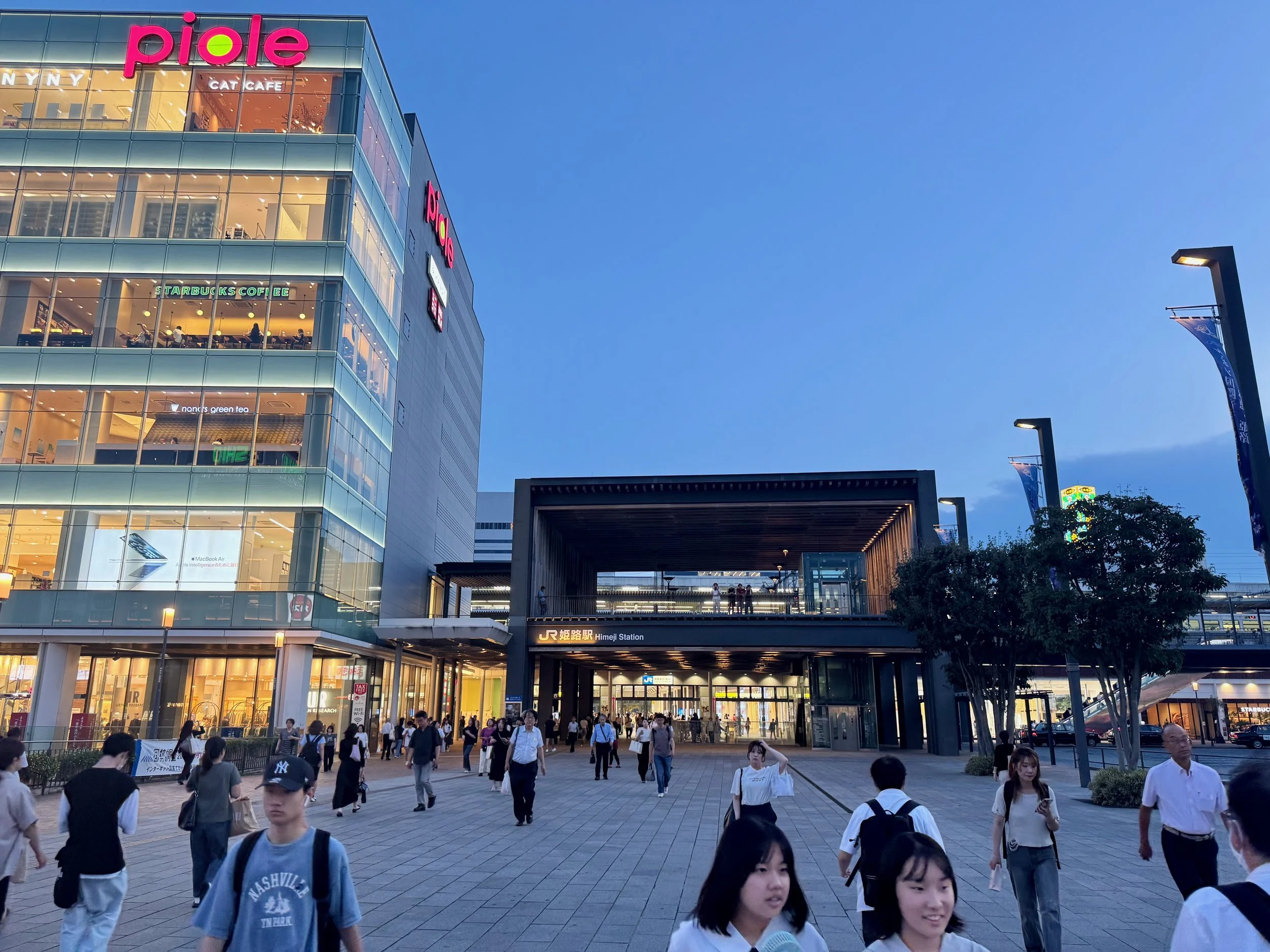
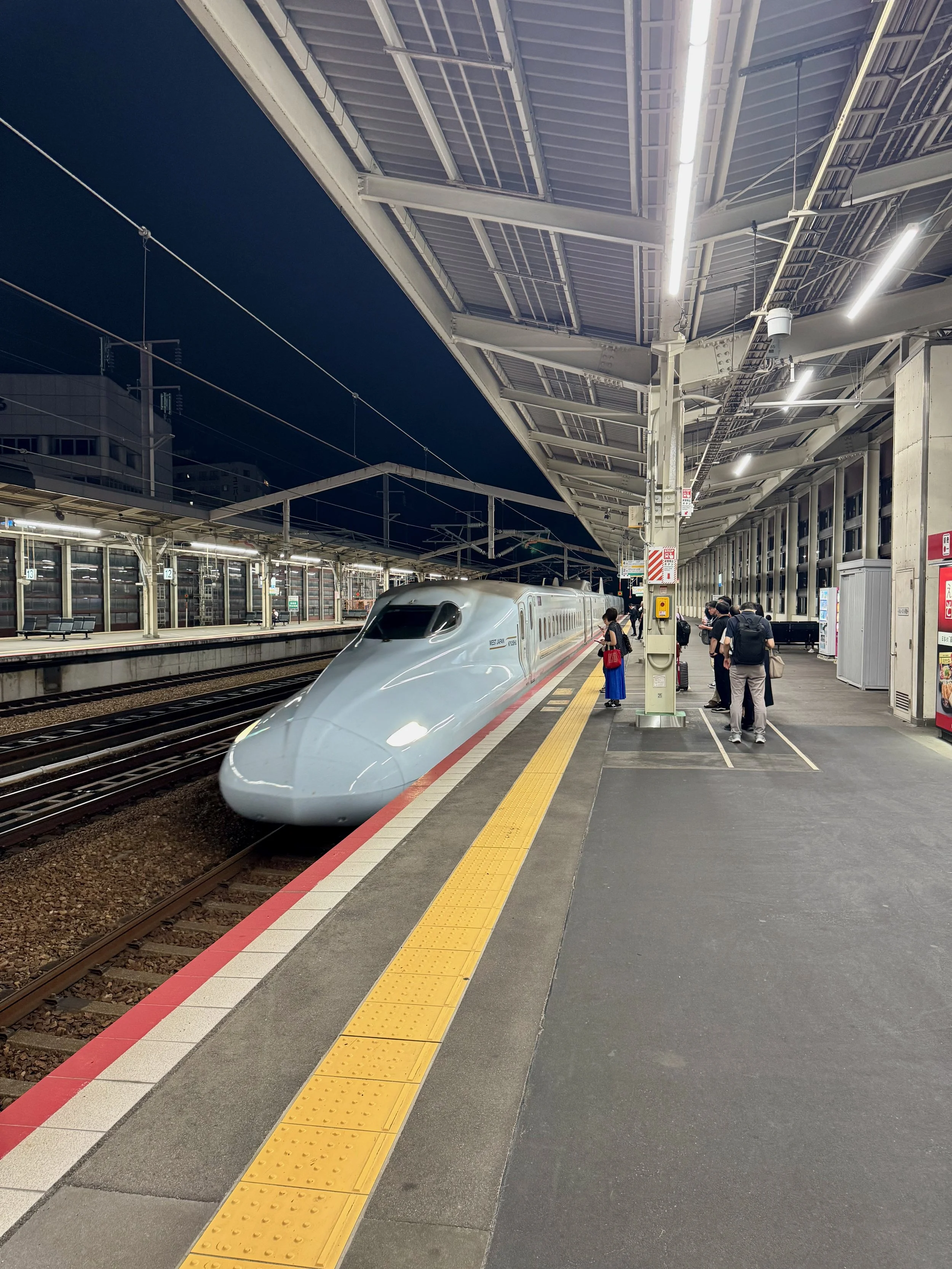
Himeji is a famous ancient castle 70-something kilometers from Osaka. We took the Shinkansen that does this trip in 30 minutes.
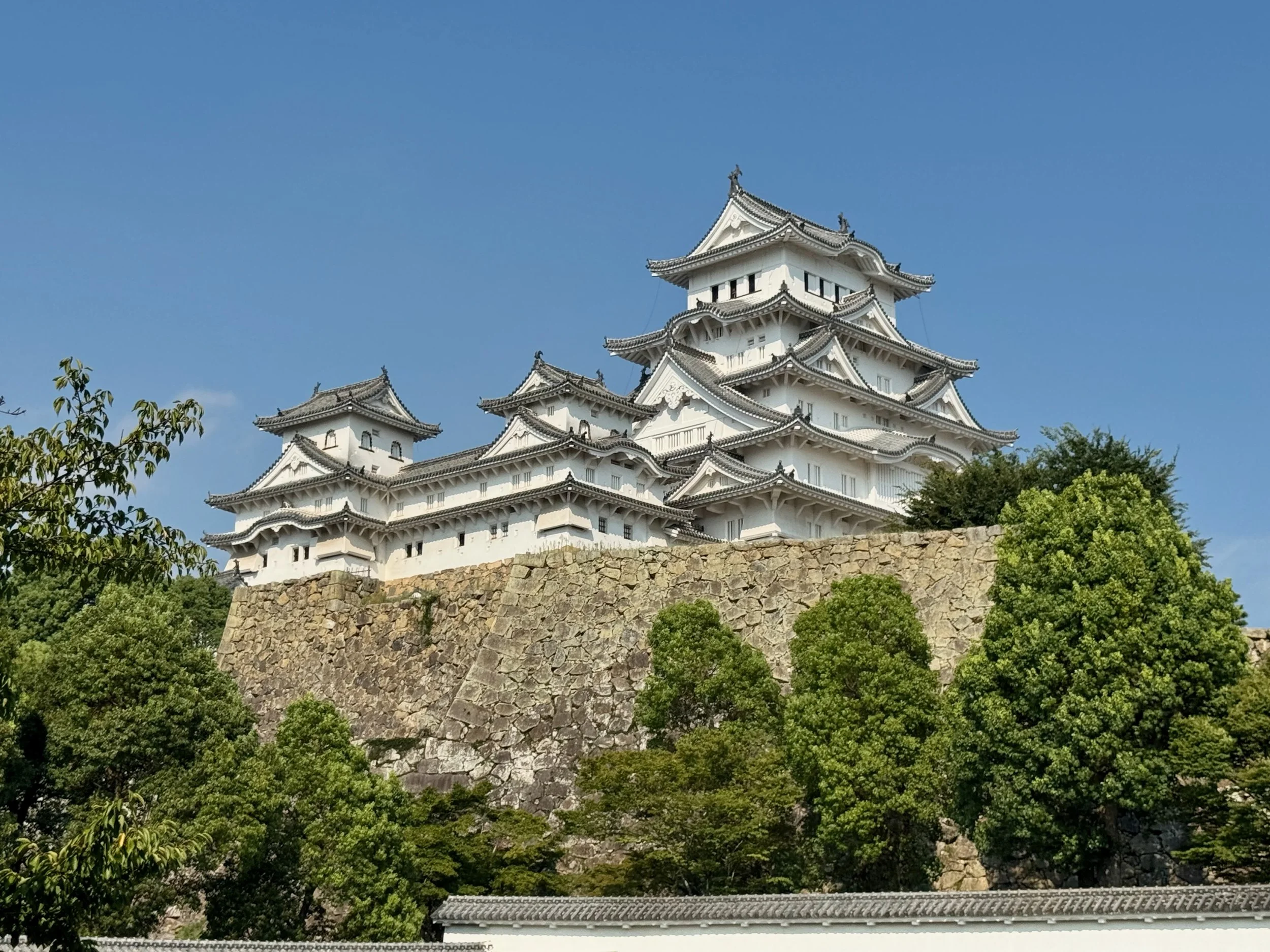
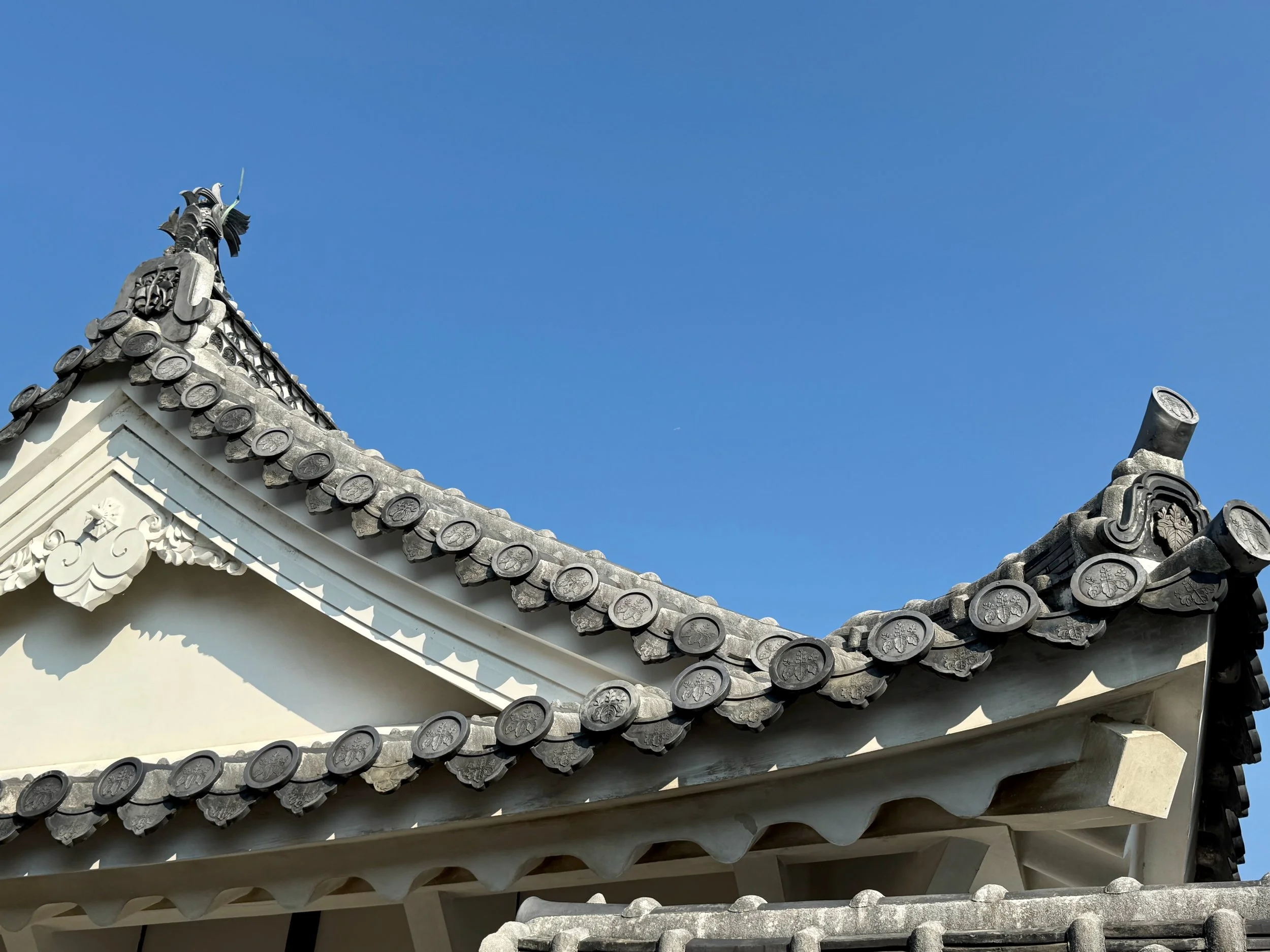
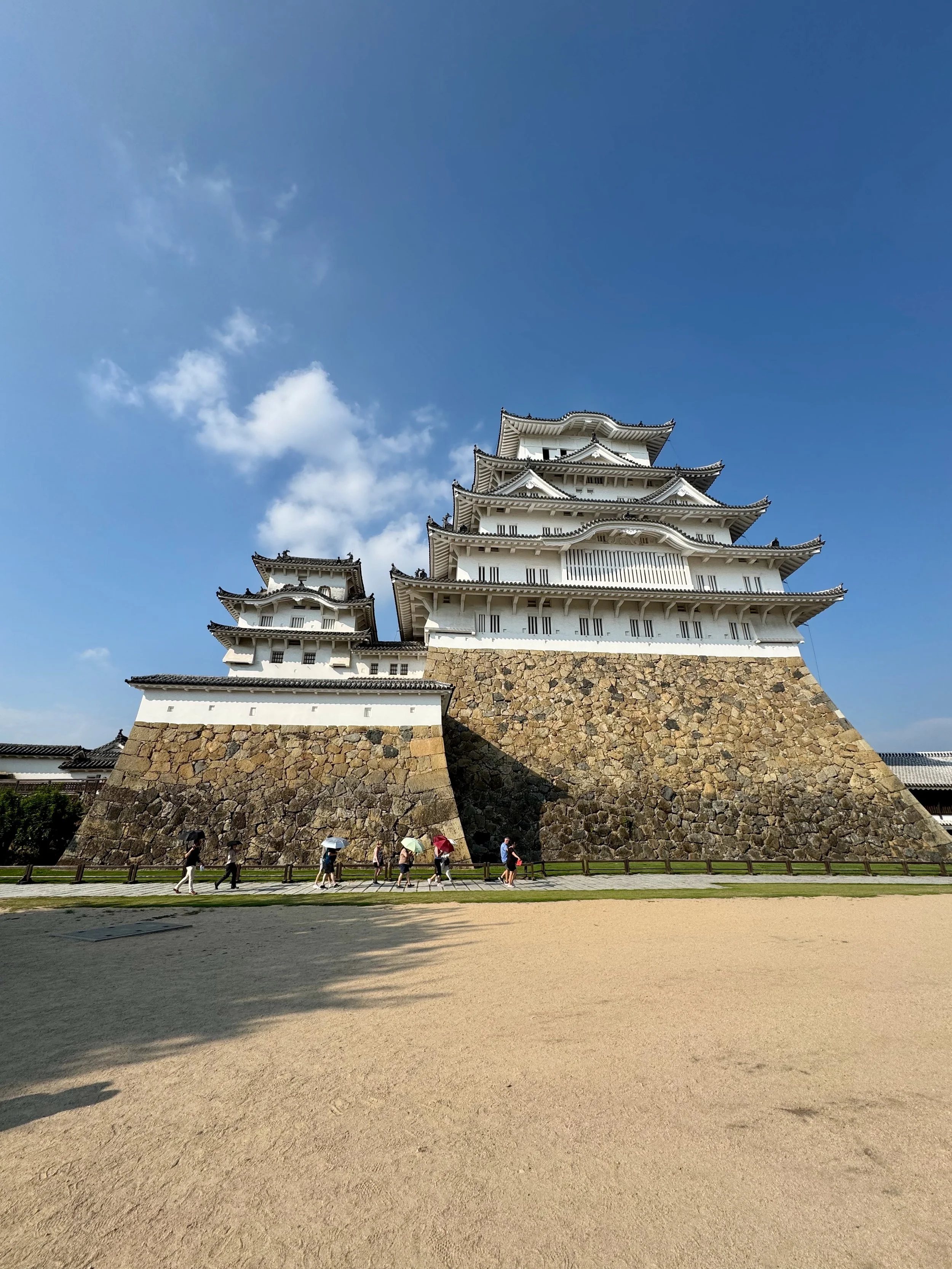
The town Himeji is friendly, and the castle is 1.5 kilometers from the station. We took the bus and walked around the castle walls enjoying various views. The building is stunning (visit highly recommended) and my AI assistant had this to say:
Himeji Castle, located in Himeji, Japan, is a historic fortress that dates back to the early 14th century, with its initial construction believed to have begun in 1333. The castle underwent significant expansion in the early 17th century under the rule of Ikeda Terumasa, who transformed it into the imposing white plastered structure renowned today. Often referred to as the "White Heron Castle" due to its brilliant white exterior and elegant, bird-like appearance, Himeji Castle is an exemplary model of Japanese castle architecture. It has withstood various periods of conflict and natural disasters without significant damage, largely due to its sophisticated defensive design. Recognised as a UNESCO World Heritage Site in 1993, Himeji Castle remains one of Japan’s most well-preserved and celebrated castles, attracting visitors worldwide.
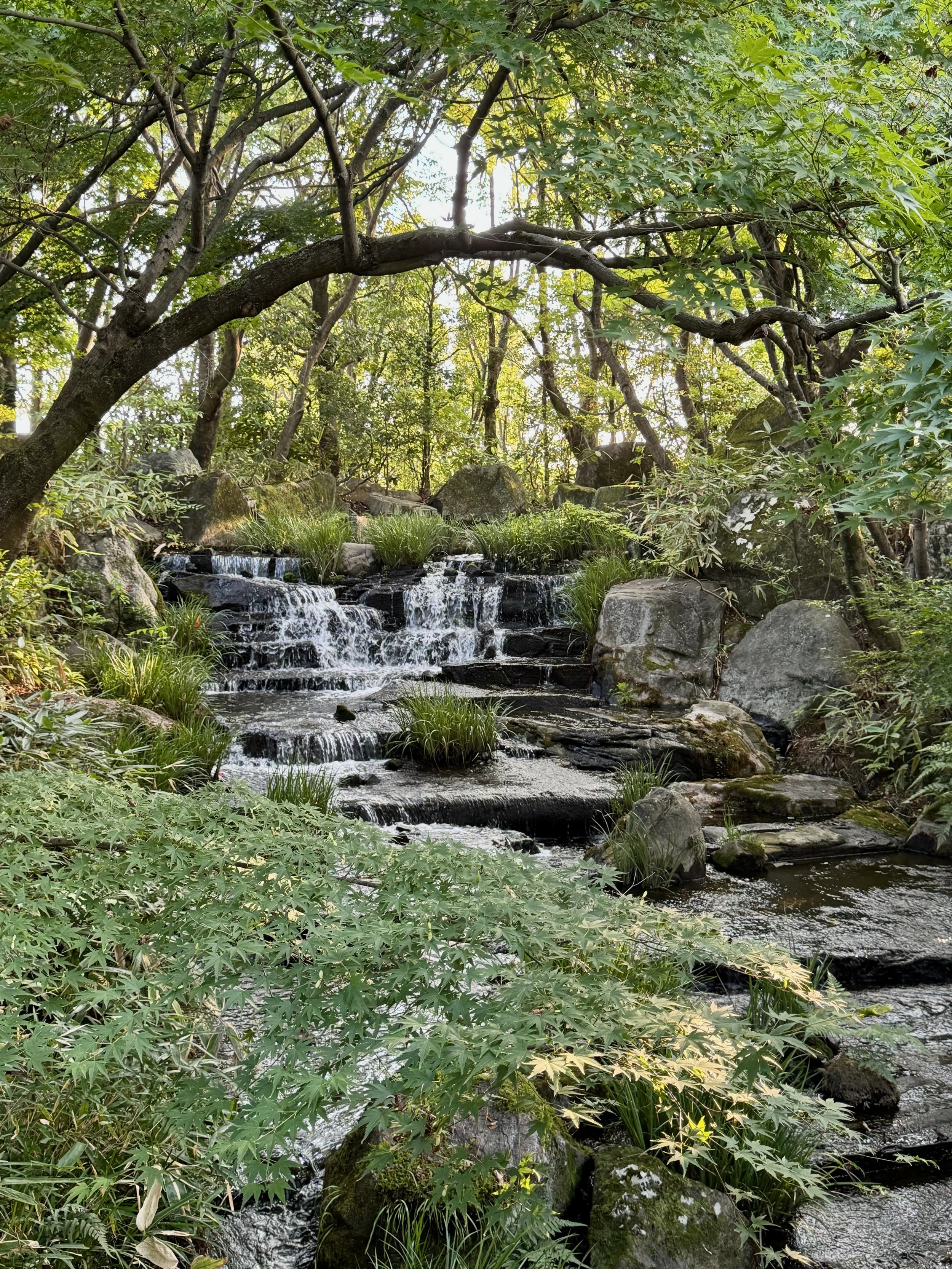
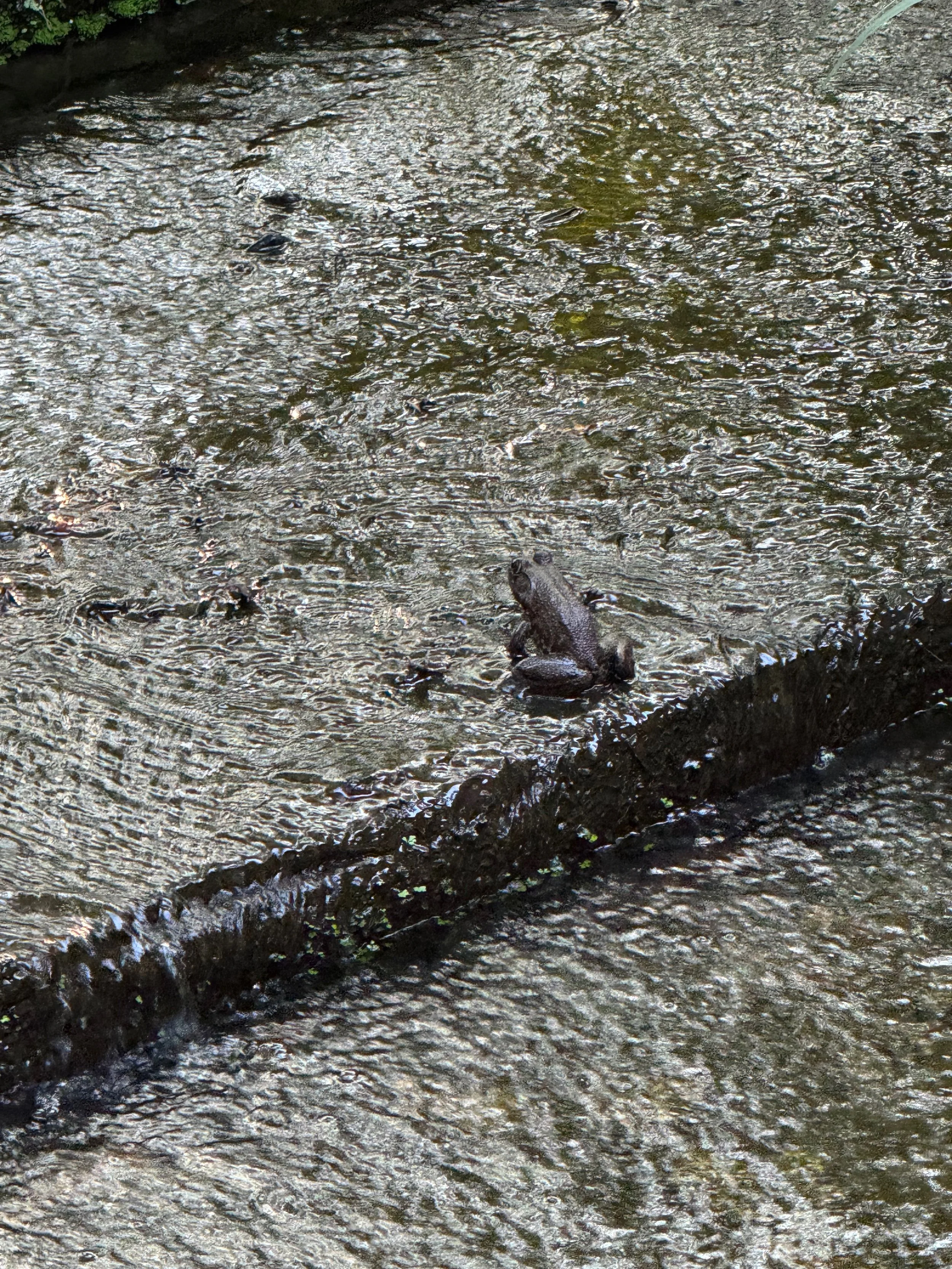
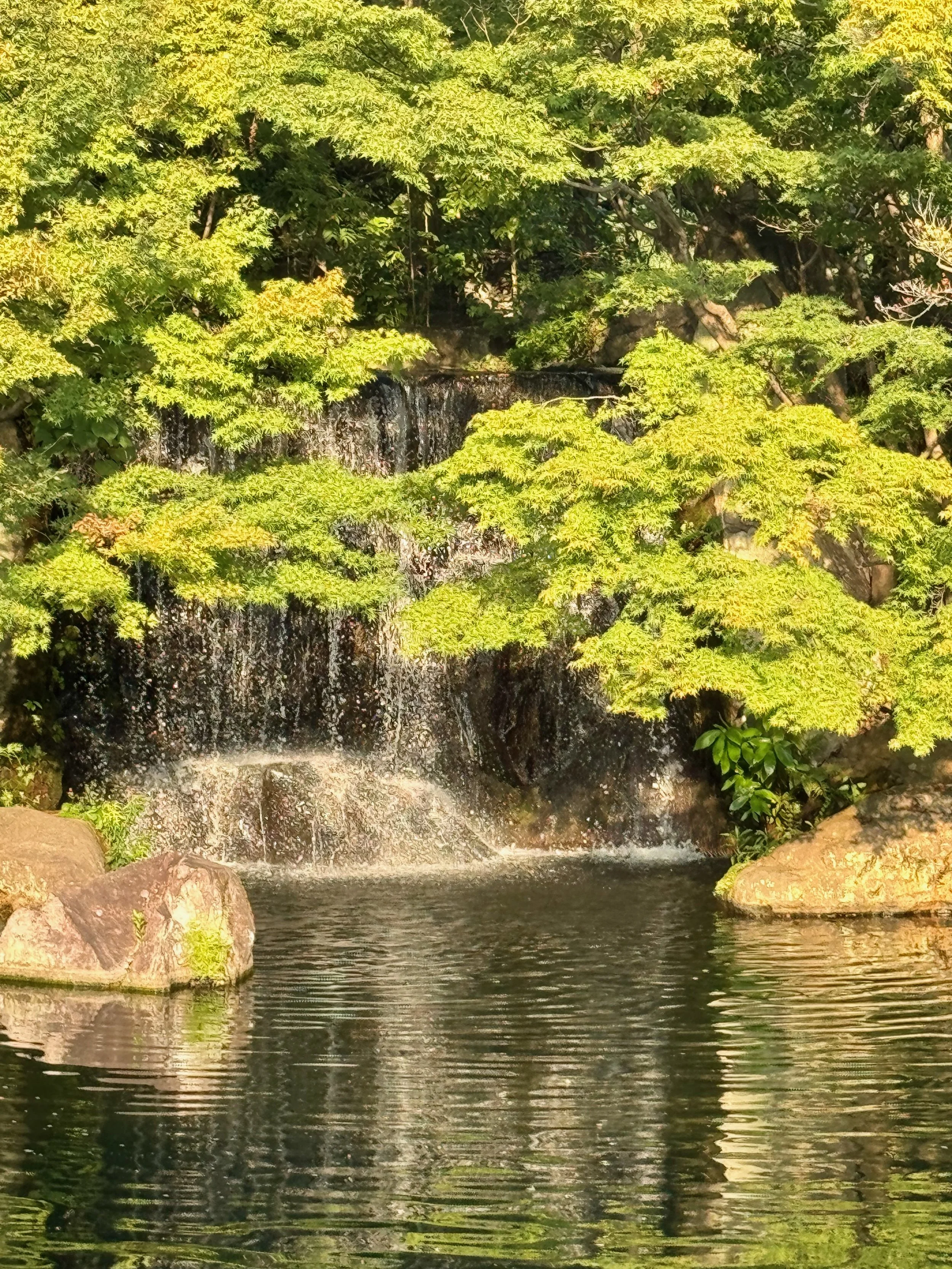
After the castle, we also had a ticket for an impressive garden called Koko-en (see pictures). By the time we exited the gardens, we were tired and hungry and perused the first restaurant we came across - one of those places where you buy specific menu tickets in a machine. The interesting thing is that you can pay with the same card you use for metro and local trains, so it’s kind of practical.
The trip back to Osaka with Shinkansen was eventful: at a certain moment, the train stopped just before a station, due to “invasion of track” or “track trespassing”. This means that an unidentified object, usually a human or an animal, has entered the track. Shinkansen tracks don’t have level crossings and they are walled off, so it’s not easy to enter the track, but sometimes people do this anyway. In such cases, trains are stopped and an investigation follows. The train waited for about 45 minutes after which the service resumed.
Neko cafe
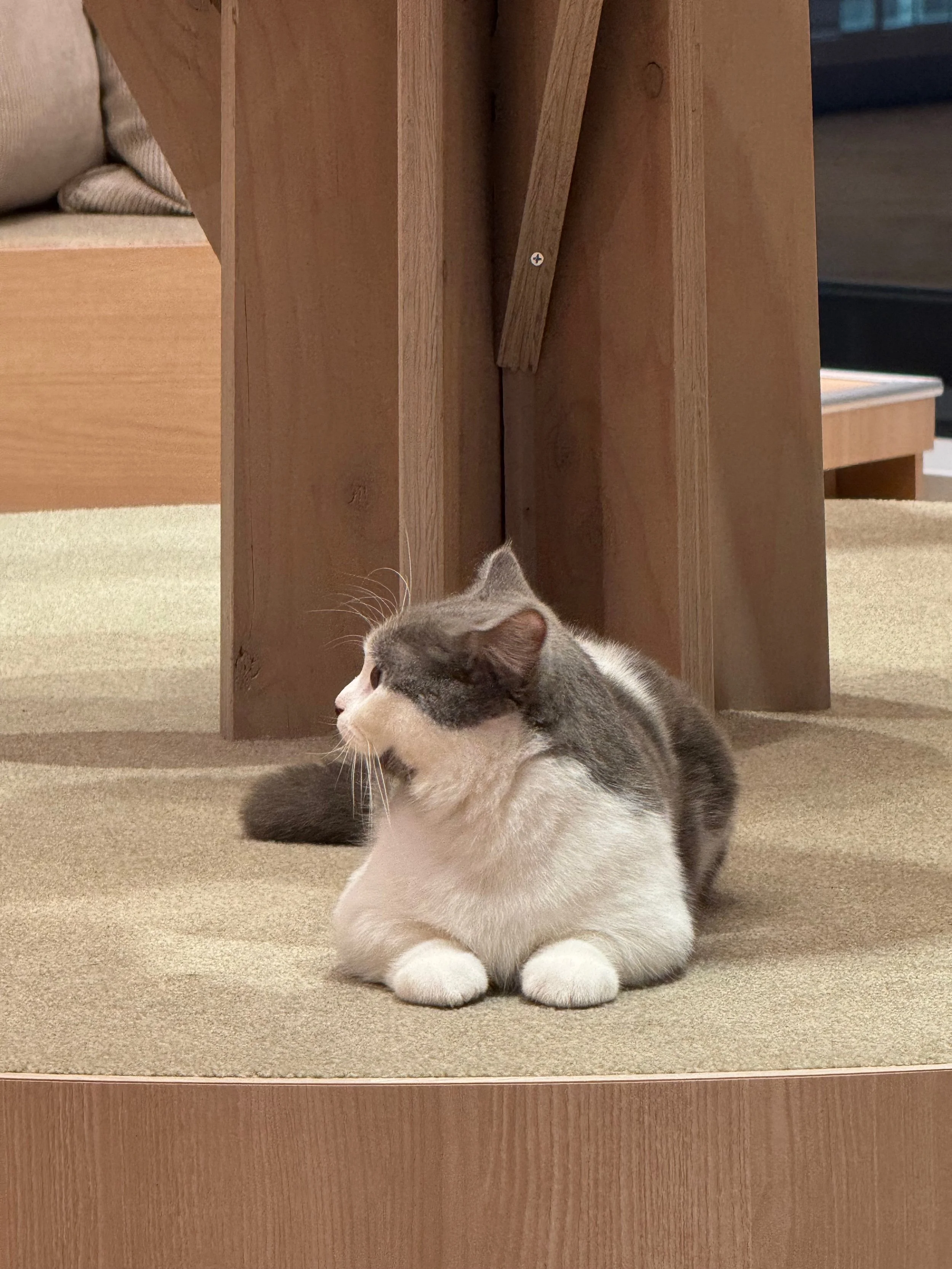
Cat cafes (Neko = cat in Japanese) are a thing in Japan. We spotted one near Himeji station and decided to visit. You need to put your stuff in a locker, and pay an entrance fee which depends on the time you stay. The fee includes 1 drink which you can get from a machine, and you need to put a lid on the paper cup. The cafe itself has around 10 cats, all of them very well groomed and of noble origins. You can look at them, pet them, or buy a snack and feed them. The cat cafe doesn’t feel like a cafe at all - the cats are the performers (lying down, running around, and sometimes growling at each other) and the guests are audience.
Shinkansen to Tokyo
On the 18th it was time to return to Tokyo by Shinkansen that covers the 550km distance in 2.5 hours. I’ve clocked the maximum speed at 302km/h but the train may have been even faster at times.
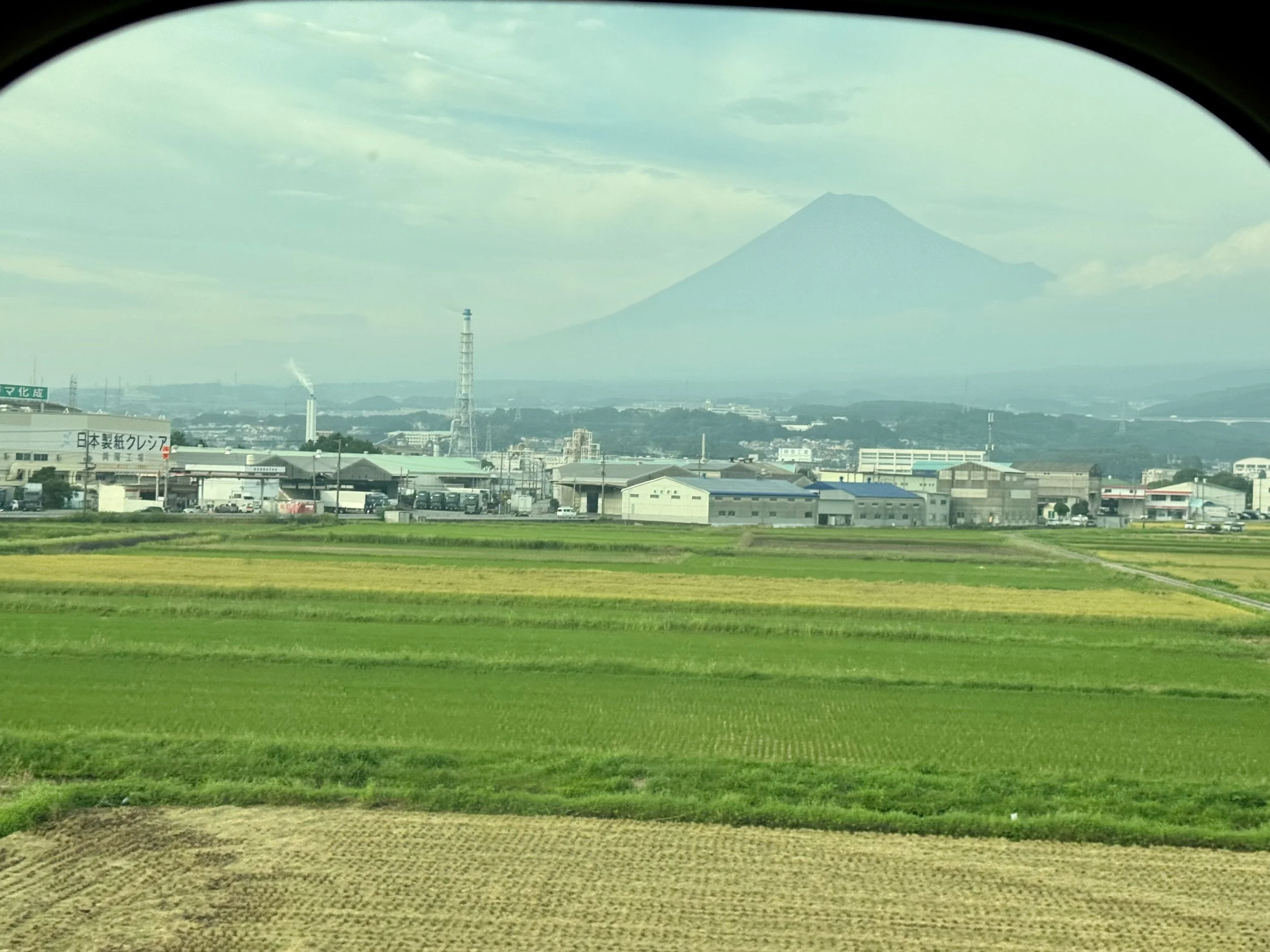
Shinkansen is a very dense train network in Japan. All trains are strictly on time and you can take a train like we did about every 10 minutes or so. It’s not cheap though, our trip (including a seat reservation on the '“Mount Fuji” side) cost about 95 euro per person. The ride is quiet and smooth, but no frills other than super precise and quick service.