Day 6,7 : Tokyo - Izu
Road trip Tokyo - Izu
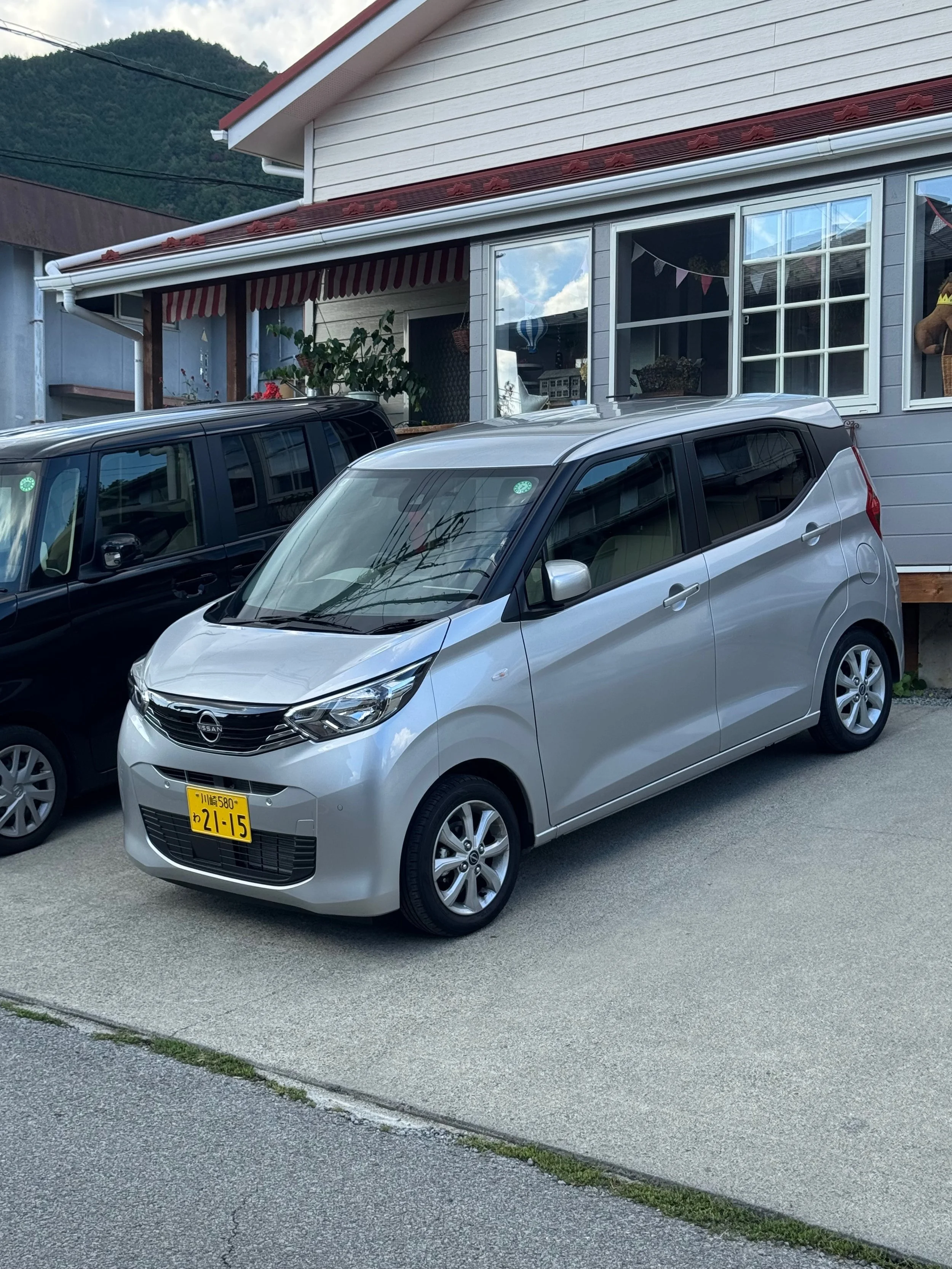
And thus our road trip begins! We took a taxi to Kamata station where we got our Nissan box car. Box cars are a typical Japanese invention - they quite successfully minimize outer dimensions while maximizing the internal ones. It brought us perfectly from A to B. Two things of notice: 1) yes, you need to get used to left-side right-steering-wheel driving, and the first 5 times you will turn on your wipers instead of your turn signal, but that shall pass and 2) you cannot overtake with that engine, you just need to go with the flow somehow. The service at the rental company was perfect, but you need to be serious about the car when you rent one in Japan: the sizeable information folder we received contained lots of instructions to call the police and the rental company in case of even a smallest scratch on the vehicle!
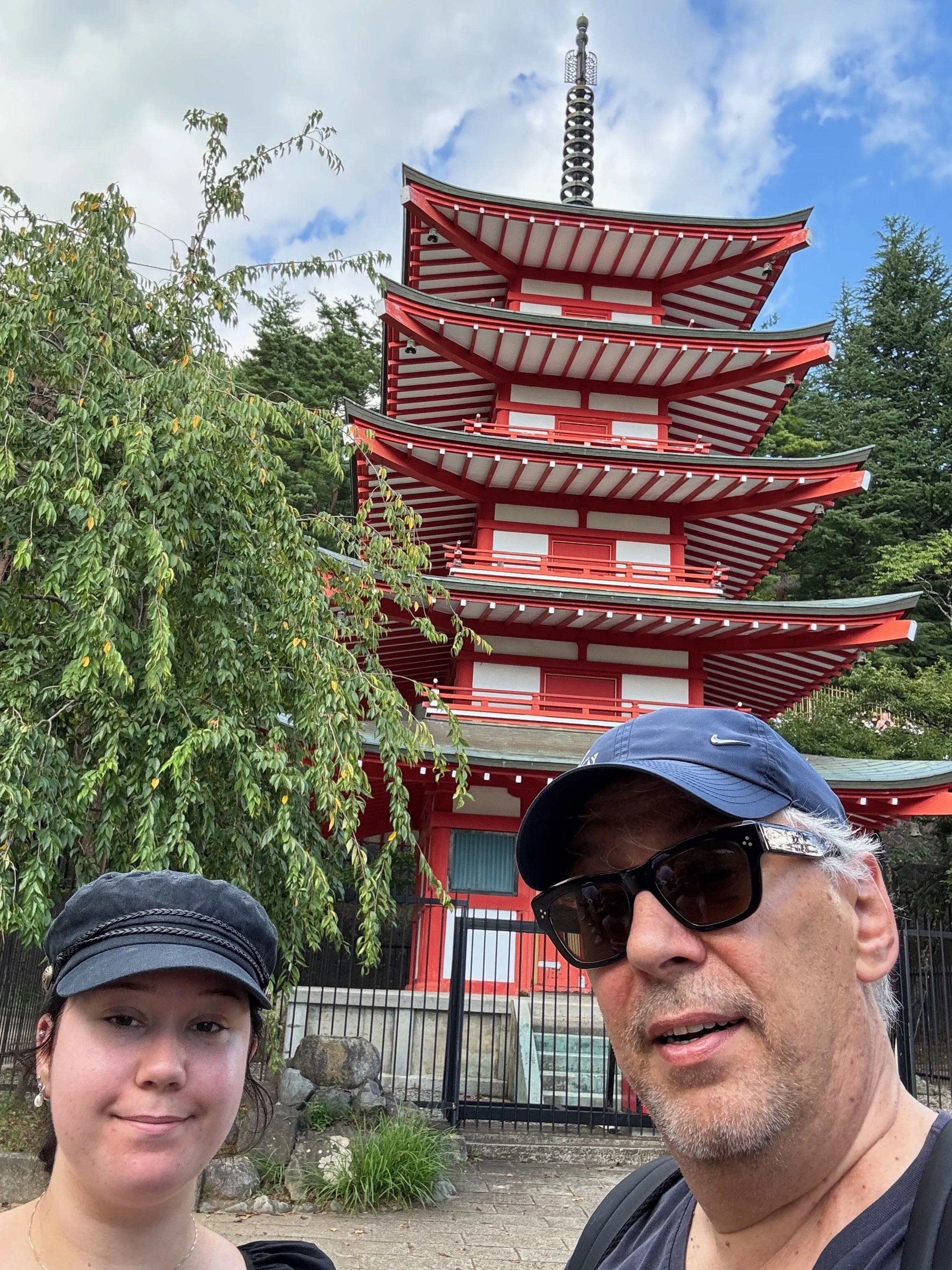
Our first destination was the Chureito Pagoda and the Kawaguchi lake, with famed mt. Fuji views. Our route traversed Shibuya, so we couldn’t resist and made a little detour to cross the Shibuya Crossing by car! Unfortunately, we probably had to pay back for that frivolity by an hour long traffic jam. Incidentally, I had earlier marveled at the fact that there are no traffic jams in this huge city, but apparently, they do exist, just not all the time and not everywhere.
After traffic jam it was all quite straightforward, we got on the highway and moved quite rapidly along the route, paying toll is no issue since the car (as is customary) was equipped with the so-called ETC card that automatically deducts the toll amount from your account. In this case, of course, the amounts are added to the bill you pay at the end of the rental period.
Recommendation for you if you consider renting a car: first, the one-way fee is very high, so it seems a real round trip makes much more sense than a one way. We did it since we already planned a Shinkansen return at the end of the journey. Second, a small and simple car works, but I found it quite tiring, so consider taking one step more luxurious car with a cruise control and maybe a lane assist.
Chureito Pagoda and the Kawaguchi lake
My AI assitant says this about the Chureito Pagoda:
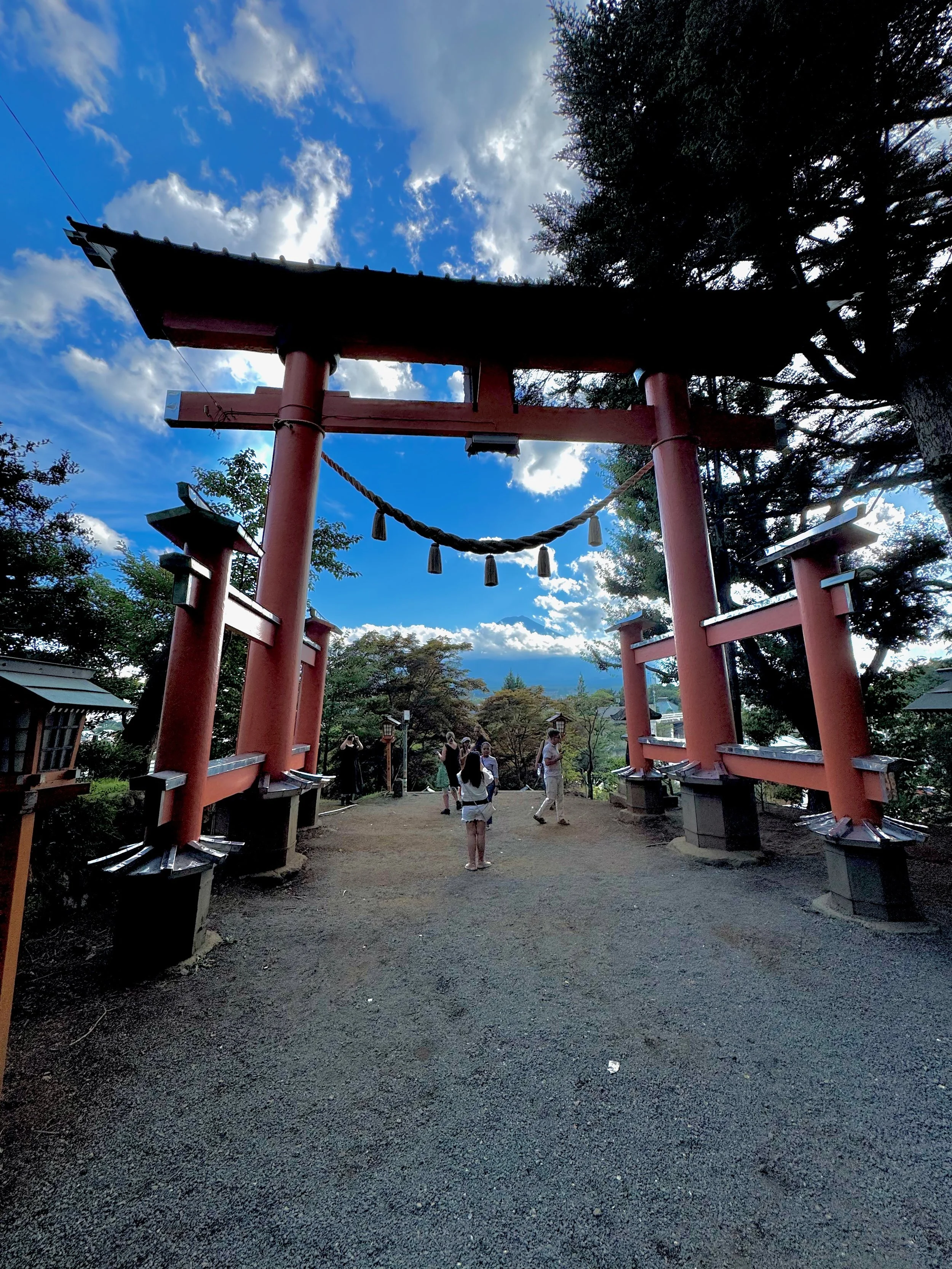
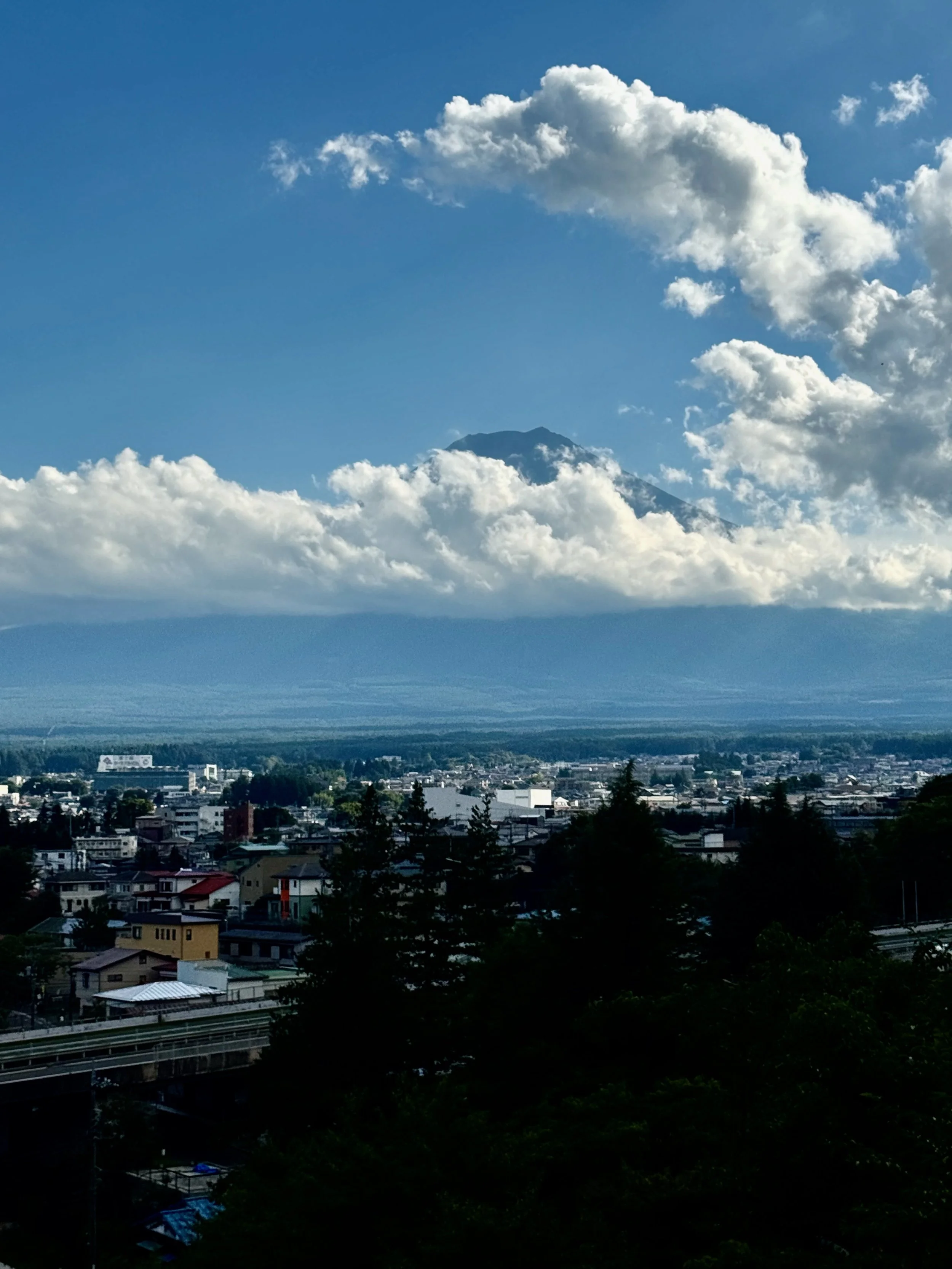
Chureito Pagoda is a five-storey pagoda located in Arakurayama Sengen Park, Fujiyoshida, Japan. It serves primarily as a peace memorial and is part of the Arakura Sengen Shrine complex. The pagoda is renowned for its striking architectural design and its scenic backdrop, offering panoramic views of Mount Fuji, especially during cherry blossom season. It is a popular destination for photographers and tourists seeking to capture the harmonious blend of traditional Japanese culture and natural beauty.
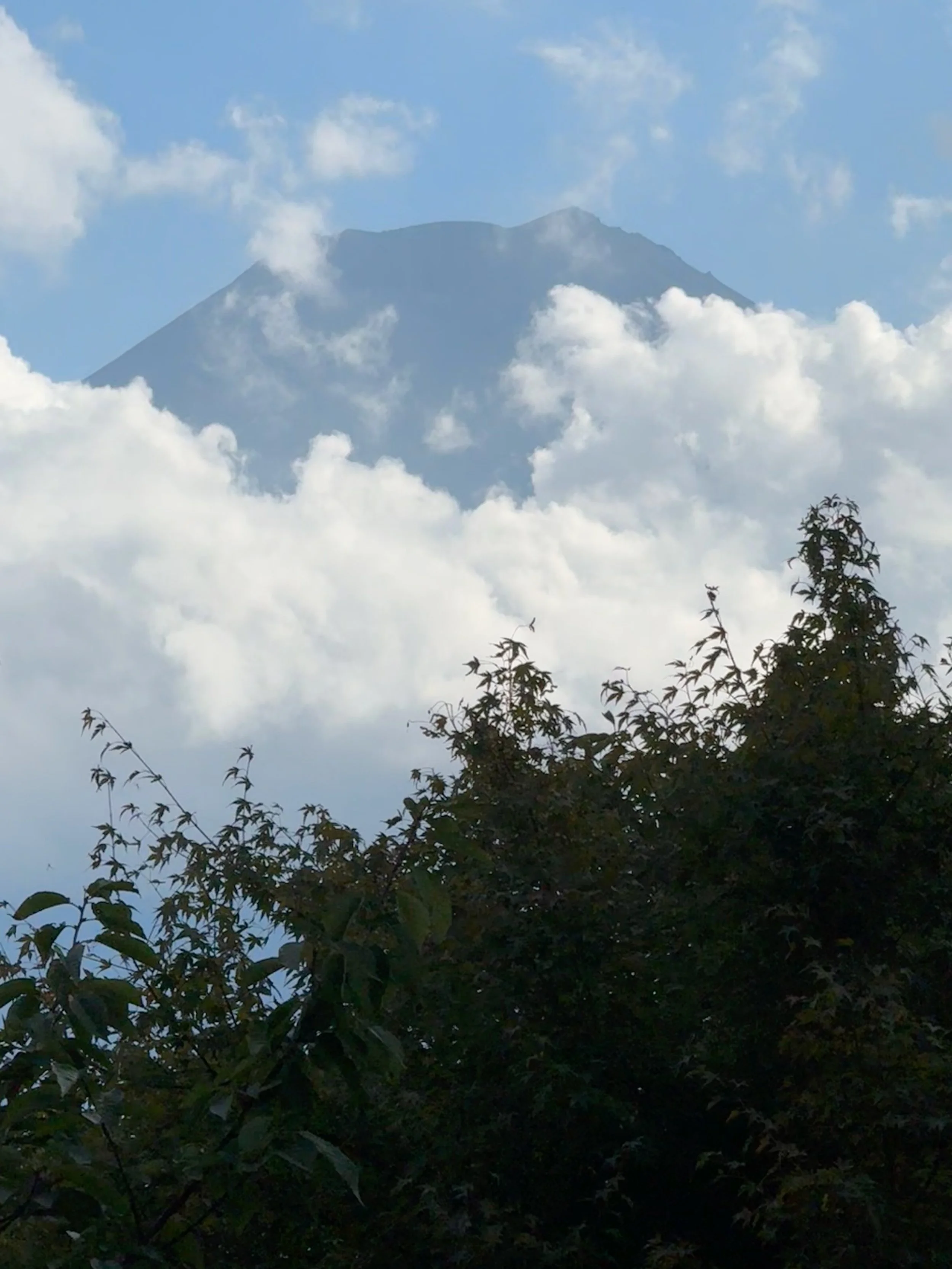
Well, it has a point. It is pretty, and the view on Fuji is quite spectacular (see pictures). However, it is also somewhat low-tier touristy with uneatable food and undrinkable drinks kiosk at the entrance. Last but not least, it is not for the faint of heart, both figuratively and literally speaking, since you need to climb the 398 steps leading to Chureito Pagoda, which I managed only very slowly.
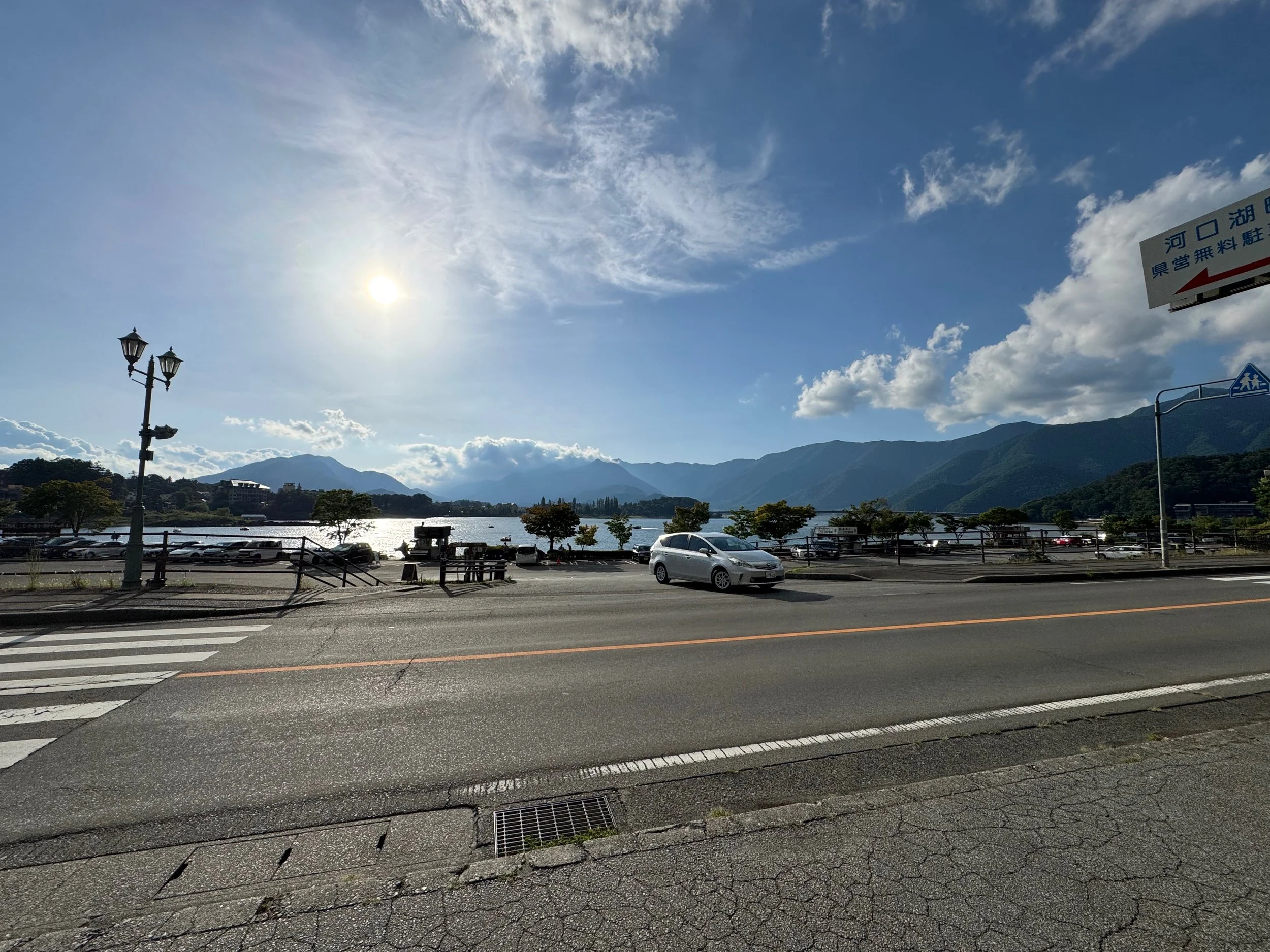
Fujikawaguchiko town, on the other hand, while boasting pretty Kawaguchi lake views, is a resort that is clearly in hibernation during low season. It was around 15:00 and we could not find any open cafe or restaurant to eat something. Disappointed, we proceeded to our final destination - the town of Toi on the Izu peninsula.
Toi Ryokan
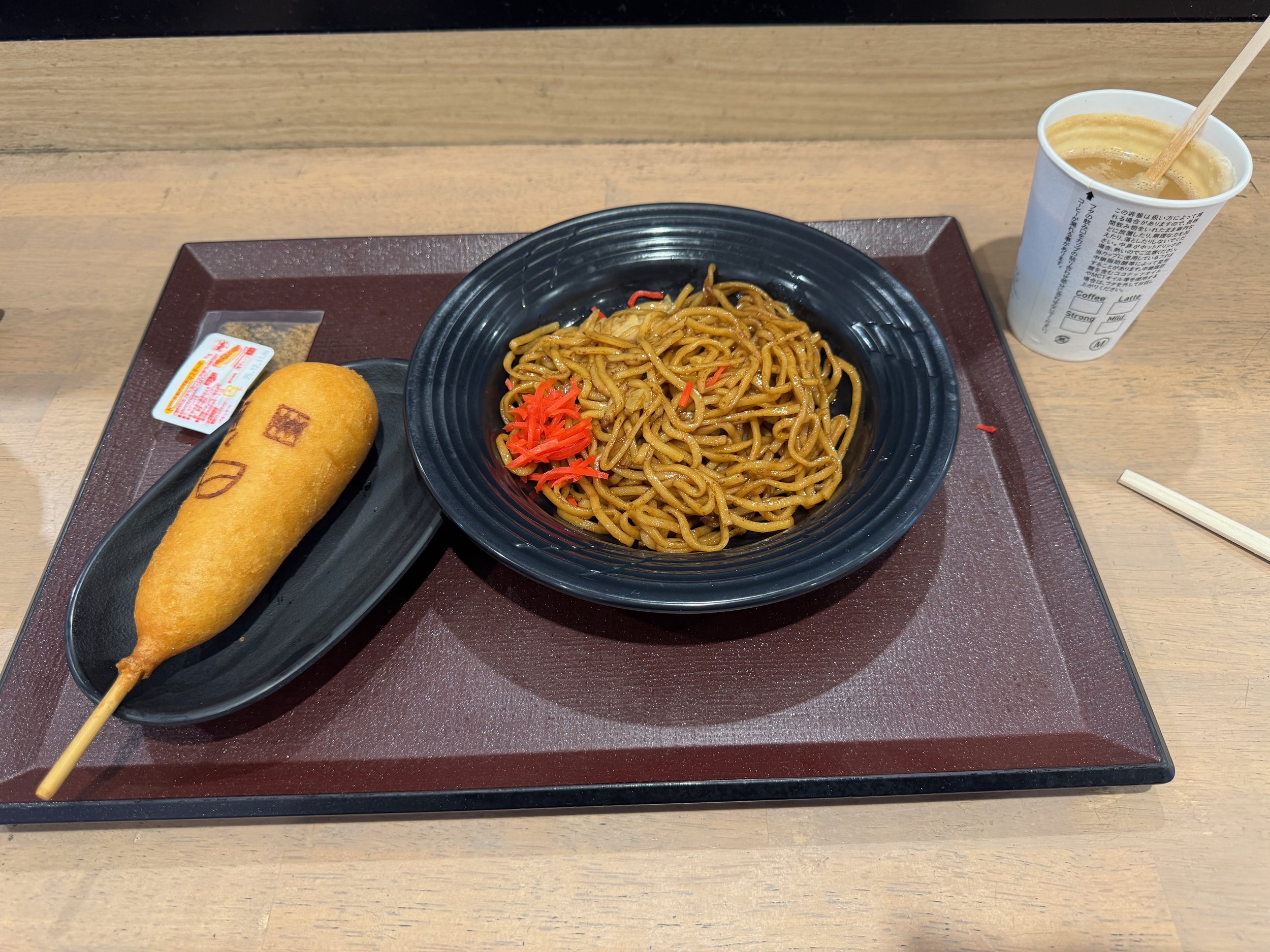
Fortunately, we found a simple restaurant underway - this was one where you first buy a ticket in a vending machine where you choose your meals, then you give the ticket to a person behind the counter, and get a beeper device which tells you when your food is ready. The food is cheap and reasonable and the same establishment contains a convenience store as well. Simple and efficient, no frills pit stop, let’s say.
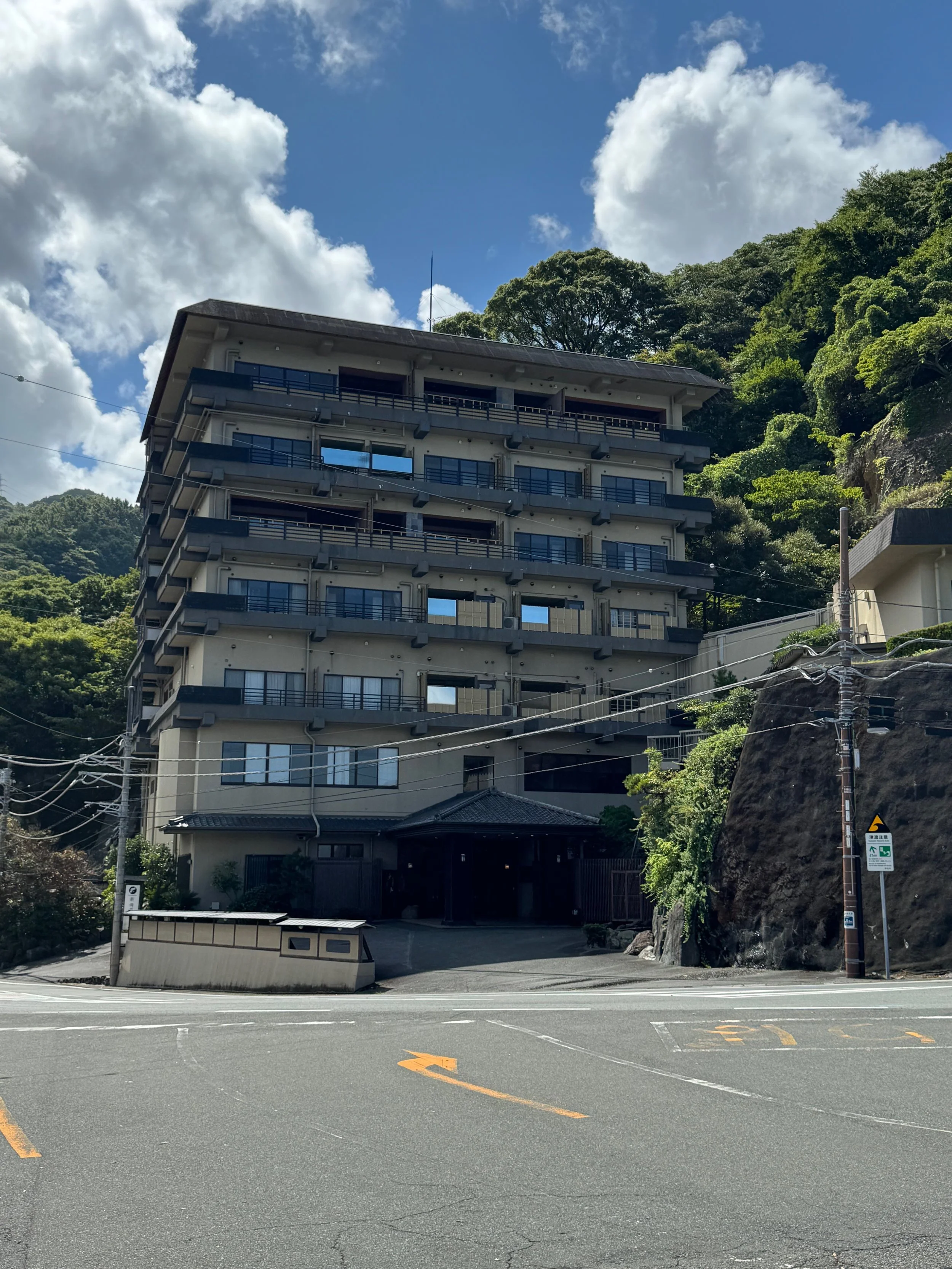
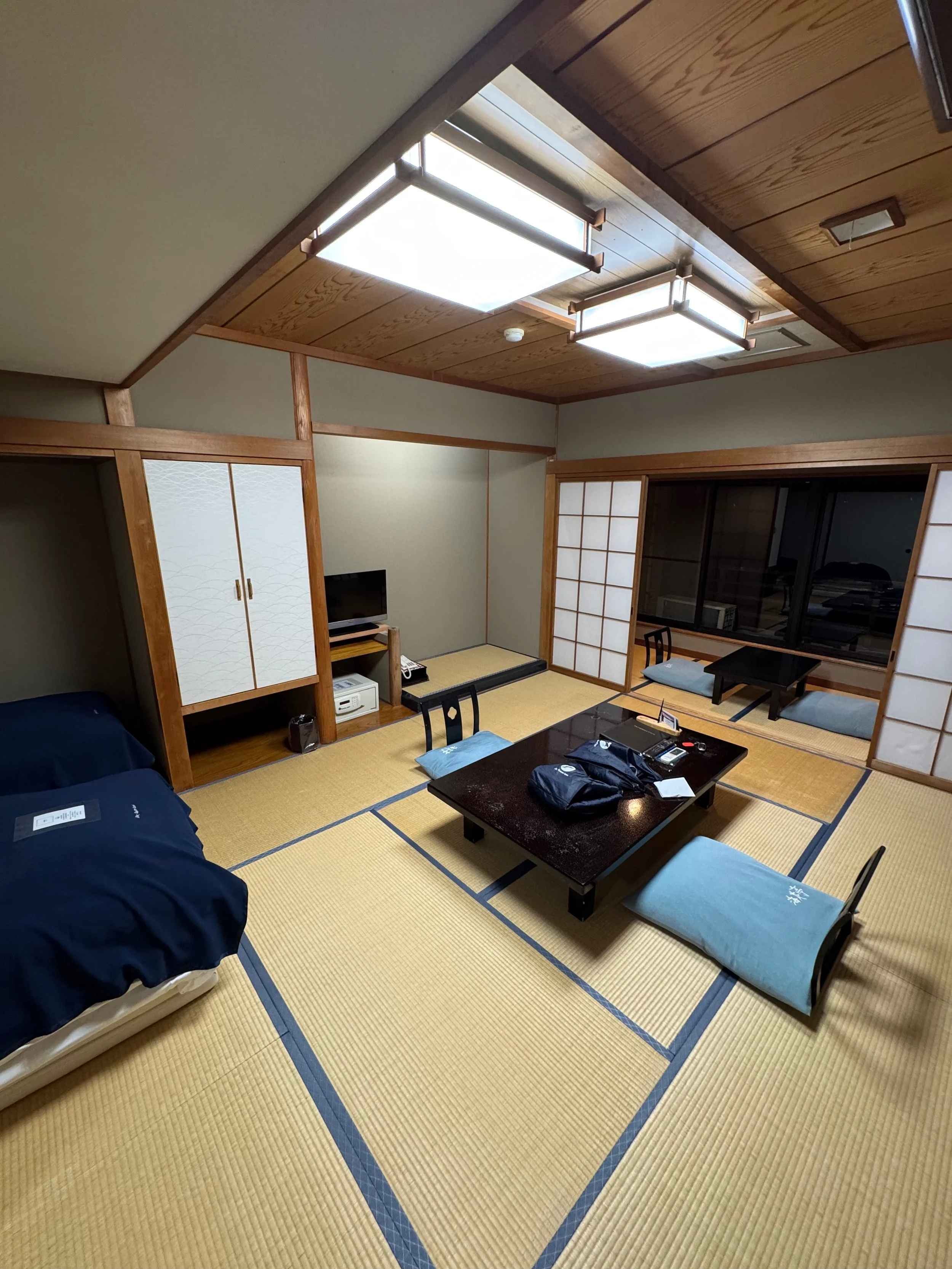
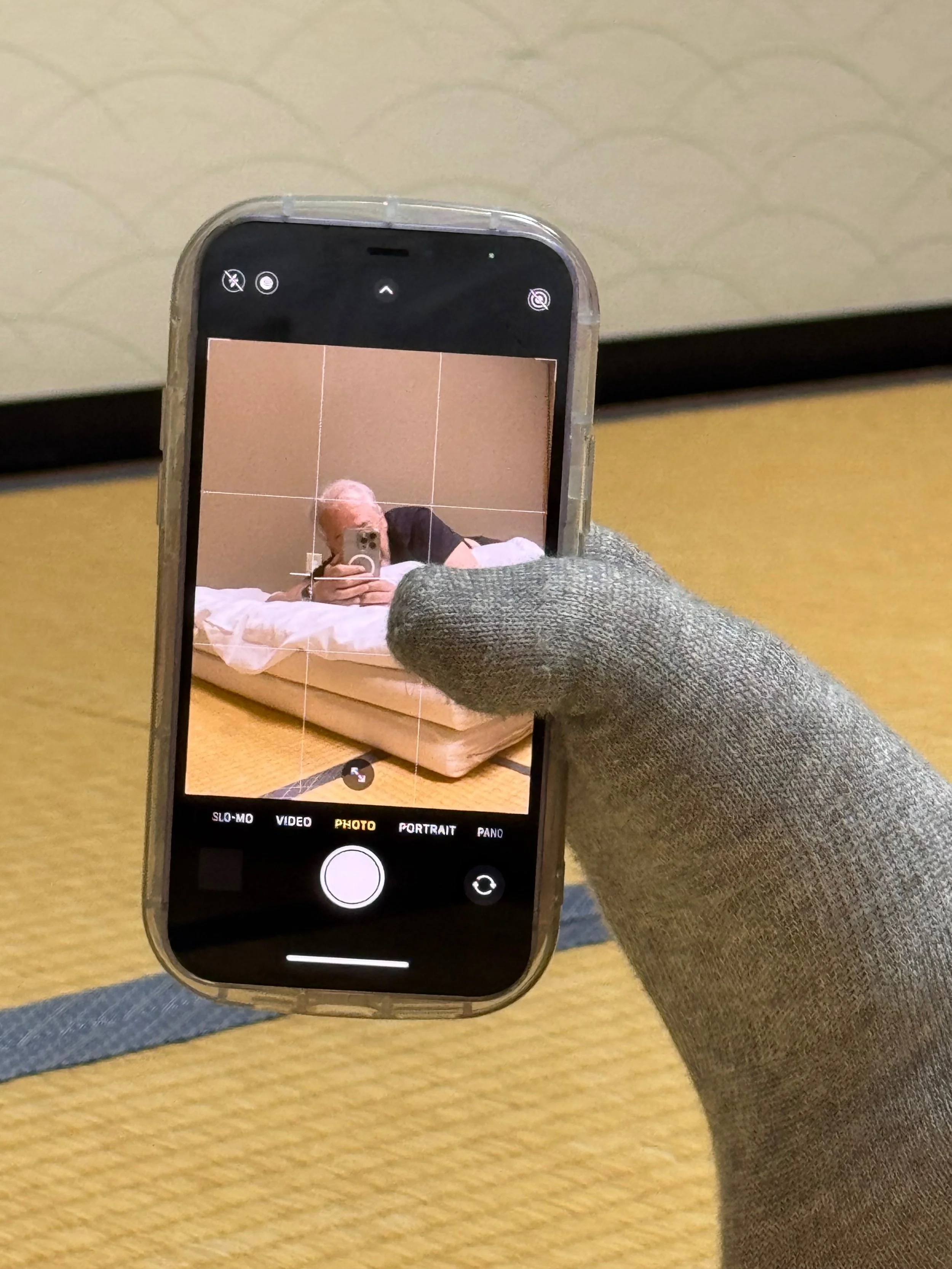
We arrived at 19:00 in our hotel. Ours was a 6-storey building with rooms arranged like a ryokan. Assistant, please help out:
A ryokan hotel is a traditional Japanese inn that offers guests an authentic cultural experience, often featuring tatami-matted rooms where guests sleep on futons laid directly on the floor. These establishments typically provide yukata, a casual cotton kimono, for guests to wear during their stay, enhancing comfort and immersion in Japanese customs. The practice of using tatami and futons reflects a centuries-old tradition that emphasises simplicity, natural materials, and harmony with the environment, while the yukata allows for easy relaxation and movement within the ryokan. Together, these elements create a serene atmosphere rooted in Japanese heritage and hospitality.
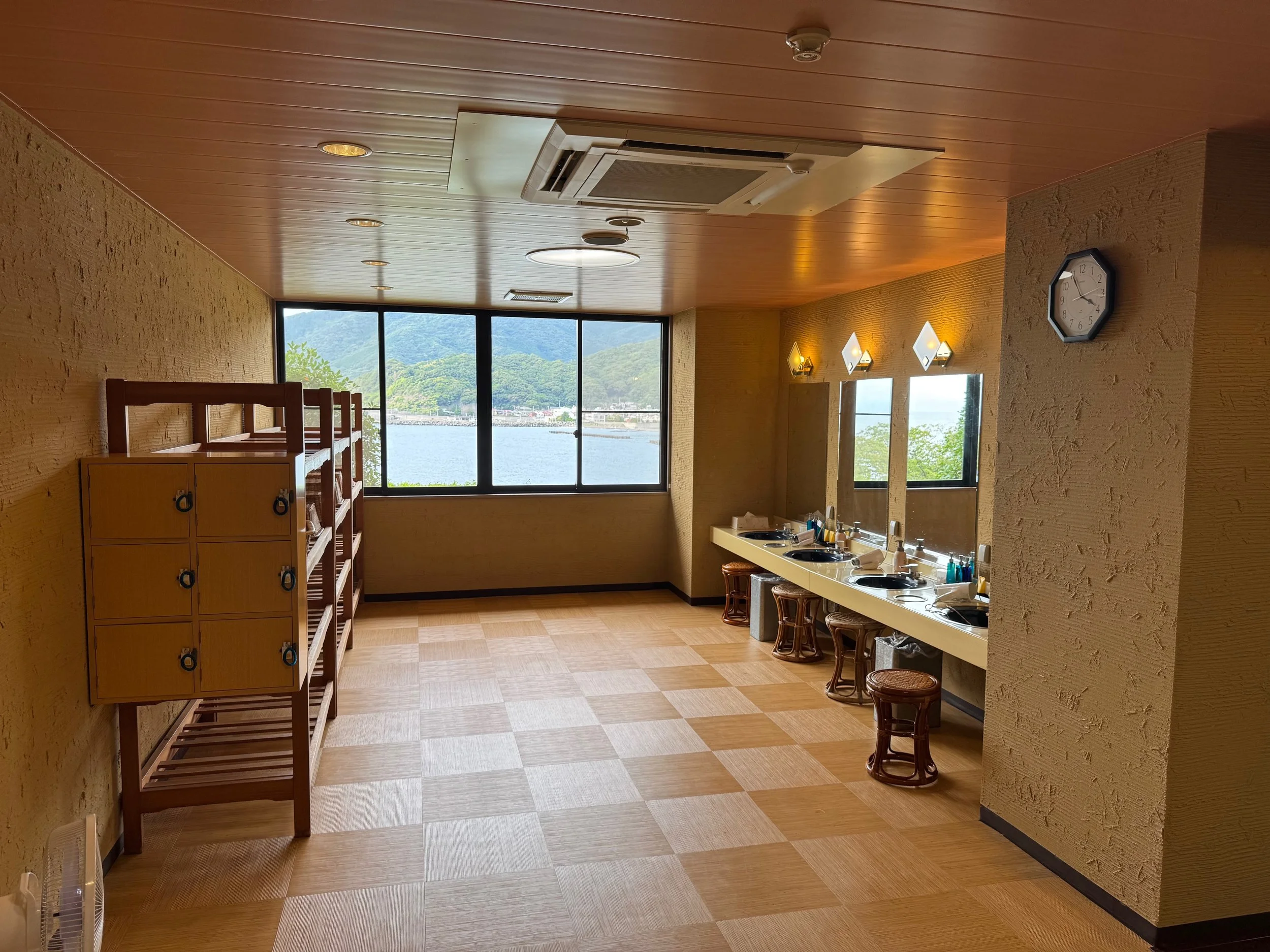
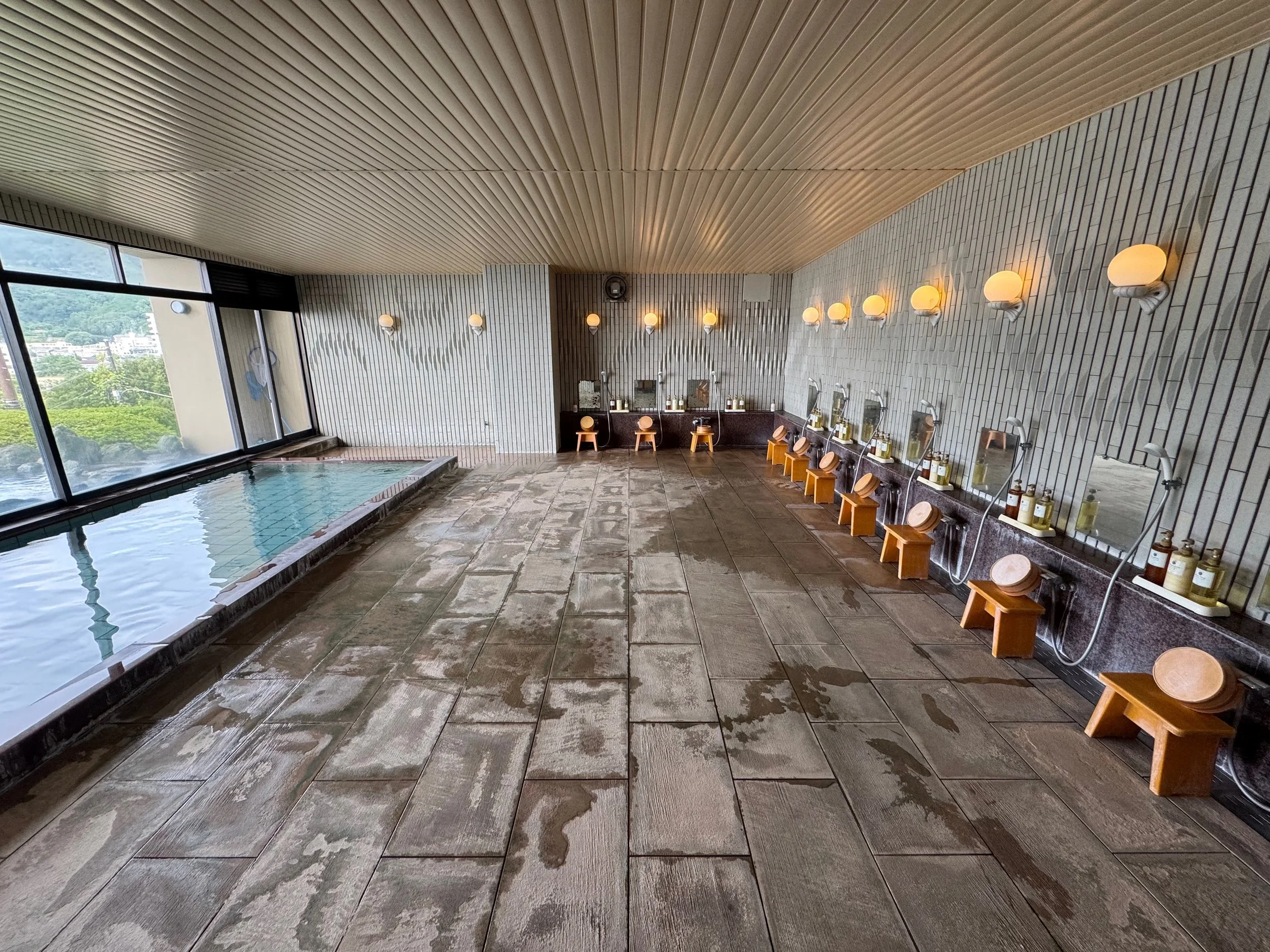
An integral part of many ryokan experiences is the onsen, a natural hot spring bath renowned for its therapeutic properties. Onsen baths are traditionally segregated by gender and made from natural materials like wood and stone, providing a tranquil setting to relax and rejuvenate. The mineral-rich waters are believed to offer health benefits, such as improving circulation and relieving muscle pain. Bathing in an onsen is not only a physical cleanse but also a spiritual ritual that promotes mindfulness and harmony with nature, perfectly complementing the calm ambiance of a ryokan stay.
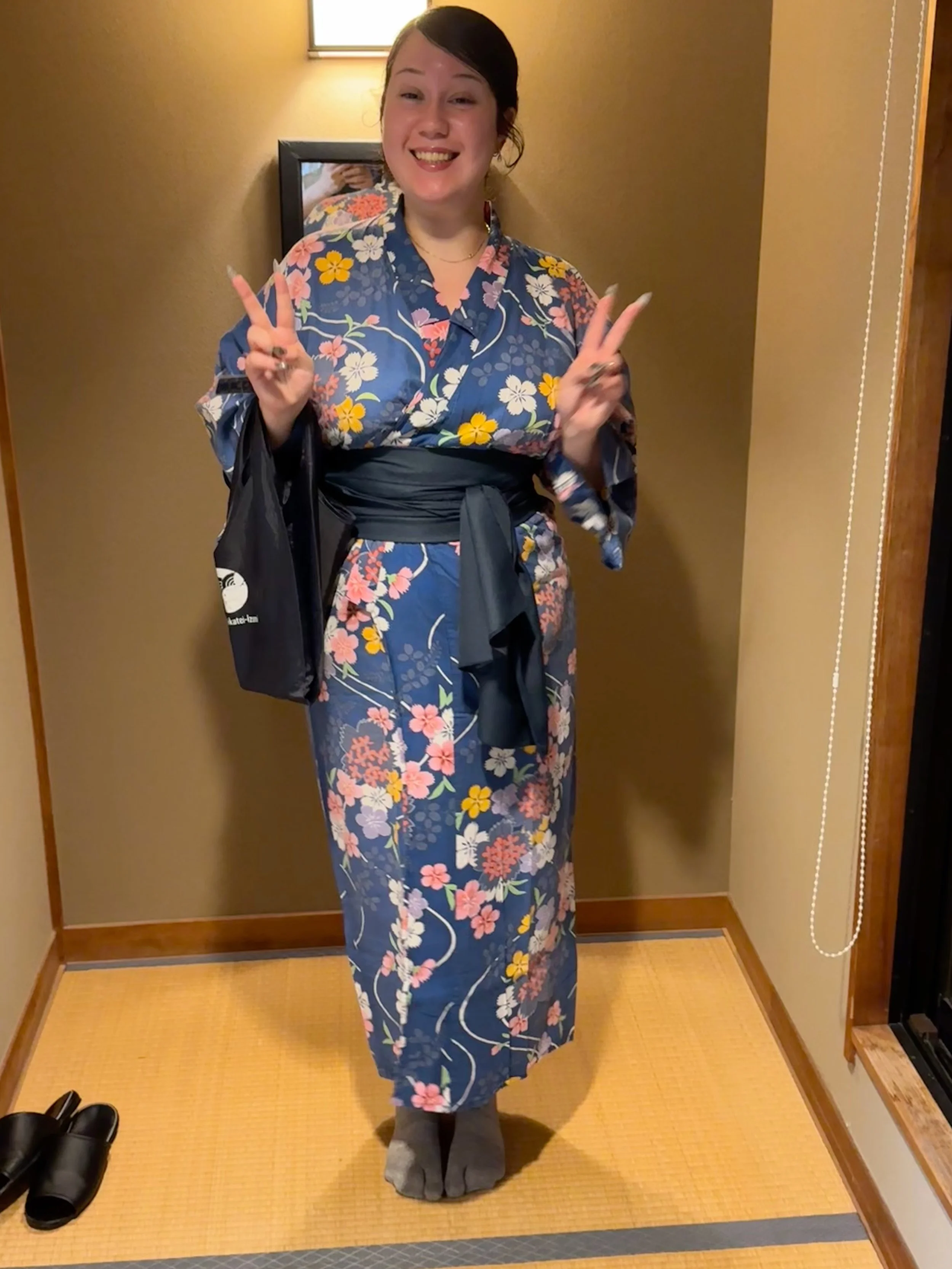
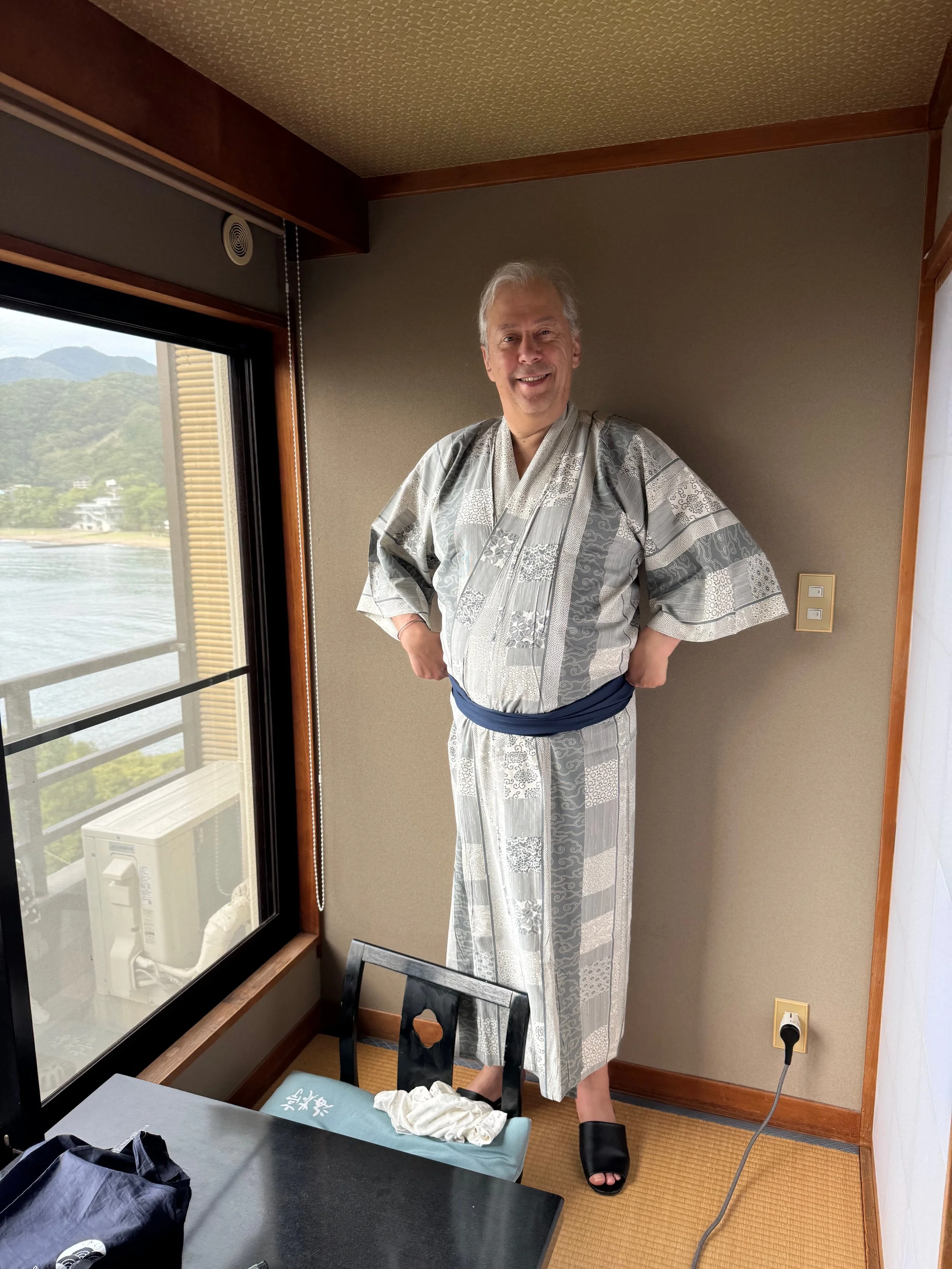
We did need to learn how to select (difference between male and female versions, and belt colors!) and put on a yukata (belt!) but it is indeed a very comfortable attire. The onsen also proves to be indeed a ideal relaxation space with hot spring water and a very calm ambience. In our case, we practically had the whole onsen for ourselves.
When booking hotels for this trip, I made a mistake and failed to book our next hotel along the way, so we decided to book another night in the same place here.
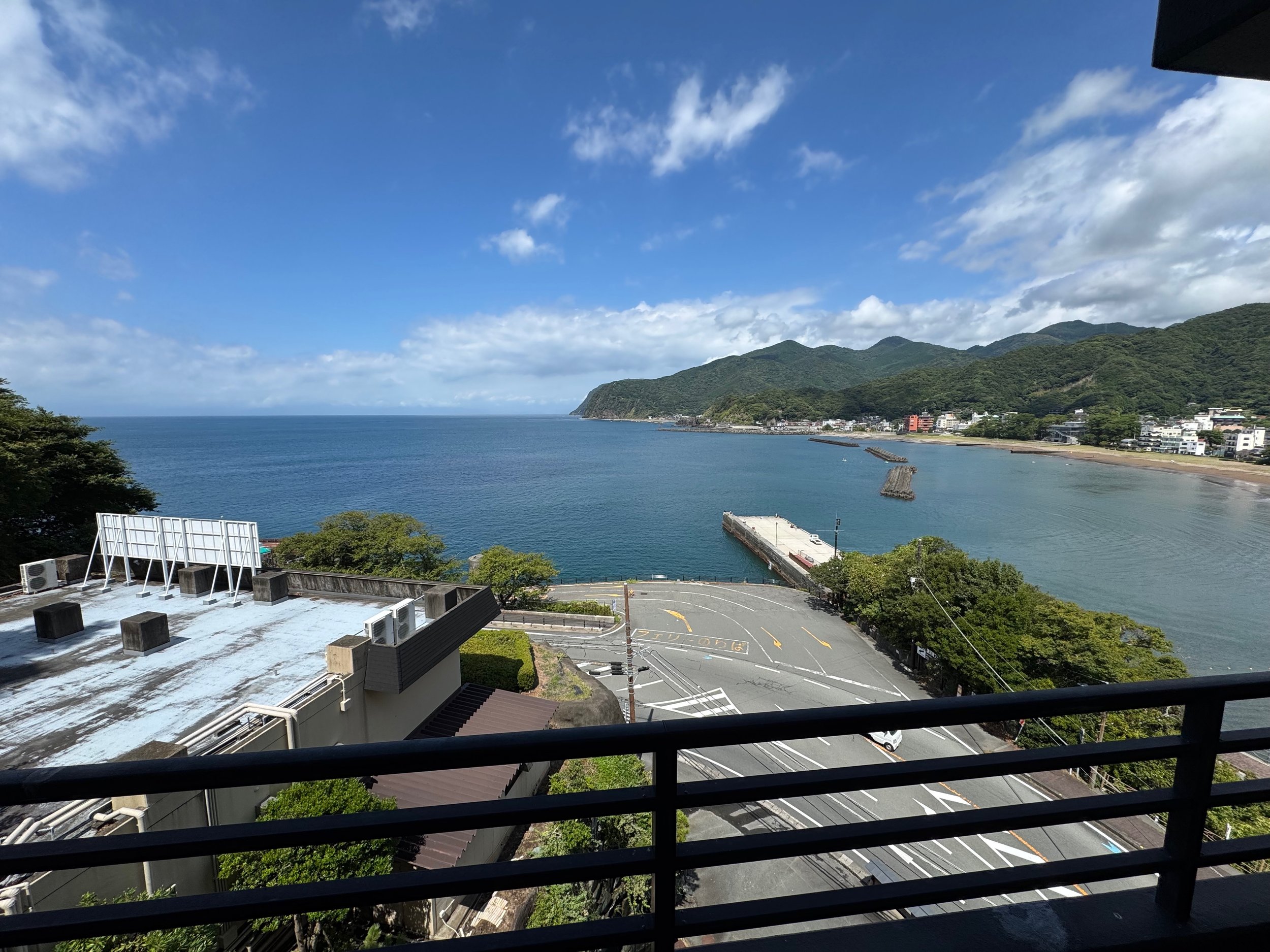
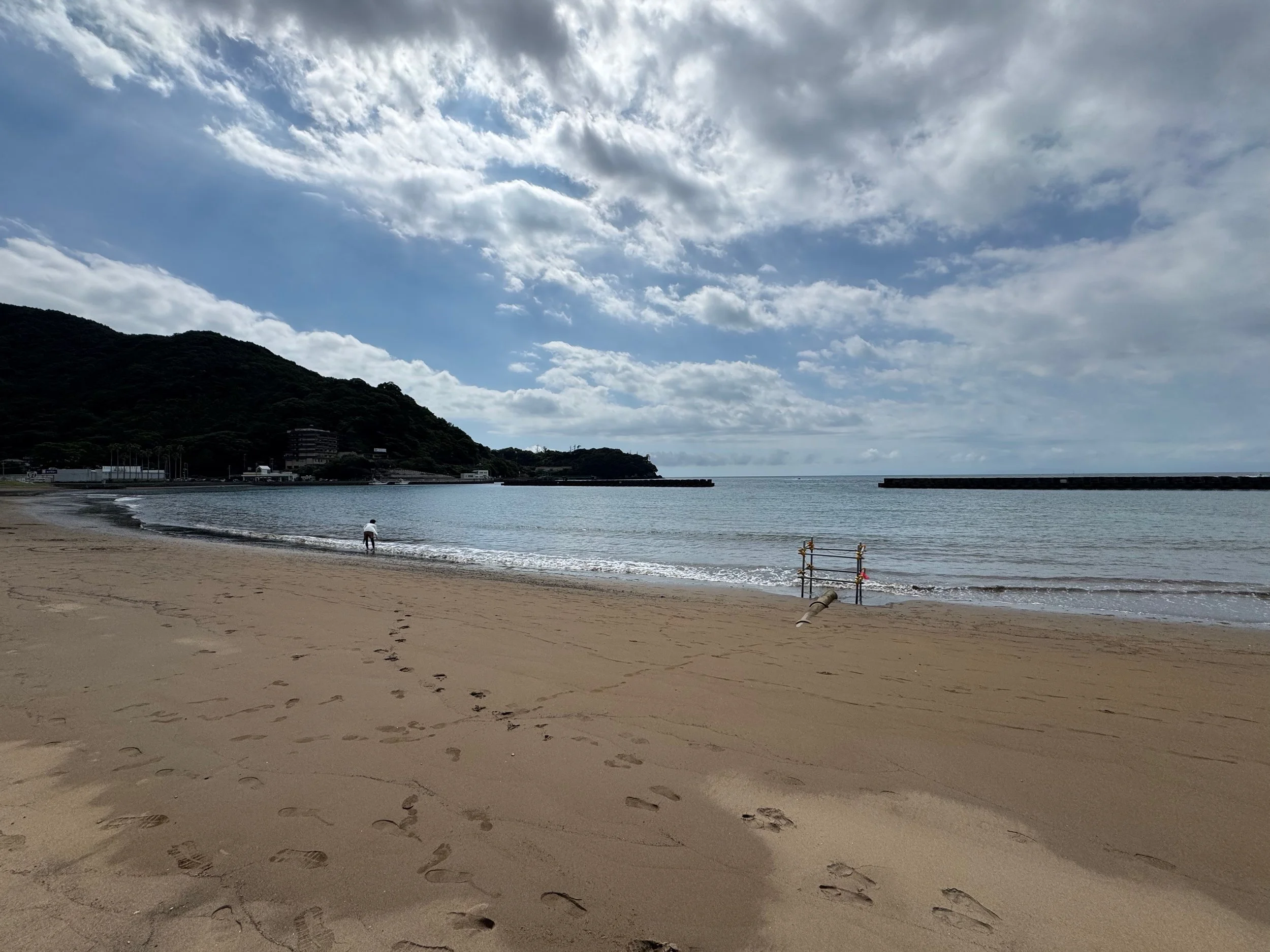
The next day we were glad we did, since the view from the huge window was unbelievable (see photos). We decided to have some breakfast sandwiches from the nearby 7/11, do another onsen session and a nap and go for a swim in the warm sea afterwards. Our jet lag is slowly receding and we now start to get a real feeling of a relaxing holiday!
In the evening we found a small restaurant at 3 minutes walk which had 5 star reviews and we hit the jackpot! The place was cozy, looking more like a karaoke bar, but the friendly owners make super-delicious snacks and meals and they also immediately broke the ice and started a conversation with us, helped by a mobile phone with Google translate. We engaged in a lively conversation where we tried to speak a little bit of Japanese but also cheated with Google translate a lot, ate, drank and stayed there for at least 2 hours. Had we cancelled the rest of our trip and stayed hear for another 2 weeks, we surely would have spoken fluent Japanese when we returned!
Tomorrow we travel to Nagoya - but that’s for another blog!